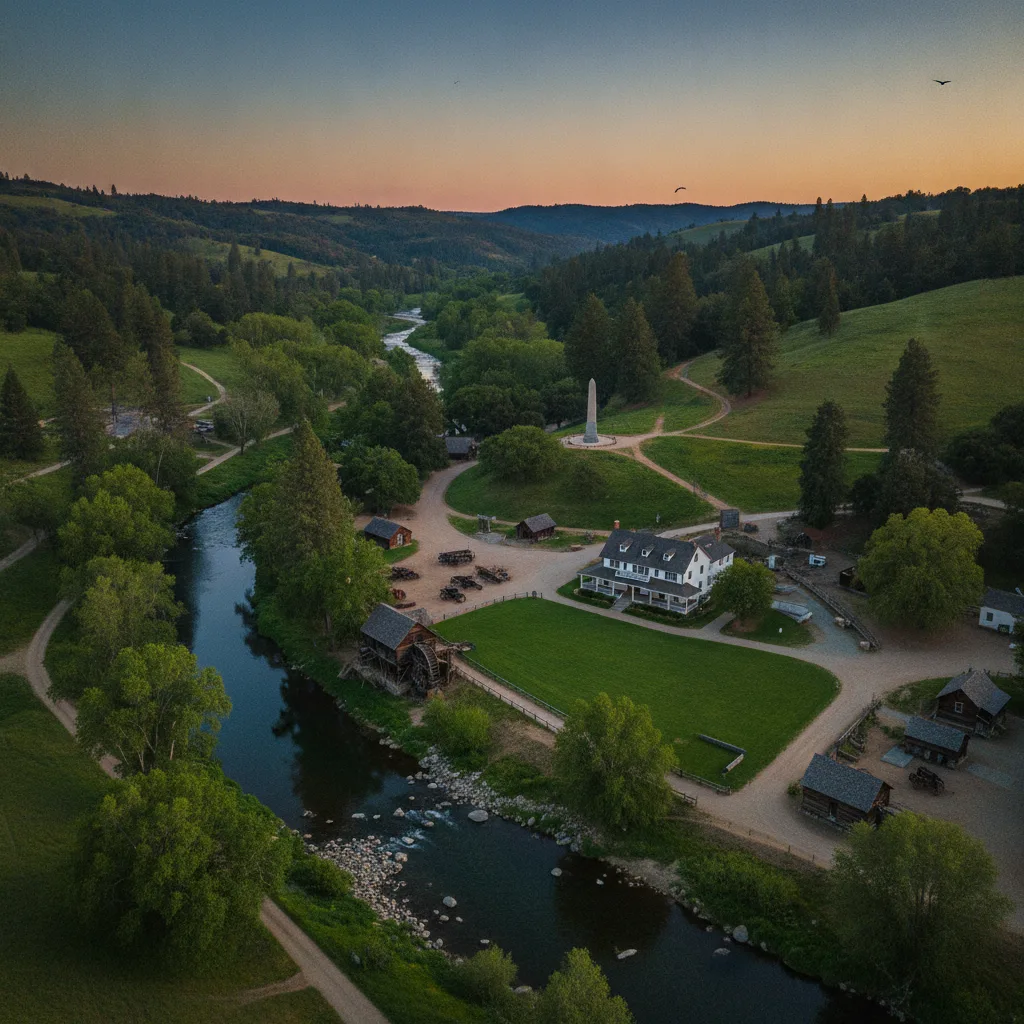
Our Marshall Gold Discovery State Historic Park guide covers practical planning for Marshall Gold Discovery State Historic Park California — best time to visit, getting there, and what to do on the ground. We’re here to cut through the generic travel advice and provide you with confident, specific insights for your 2026 visit to this pivotal site in American history.
Why Visit Marshall Gold Discovery State Historic Park
For our team, a visit to Marshall Gold Discovery State Historic Park California isn't just a trip; it's a profound step back in time to the very spark of the California Gold Rush. This isn't merely a collection of historical markers; it's a living, breathing testament to the moment James W. Marshall first spotted those fateful flecks of gold in 1848, forever changing the landscape of California and the nation. We firmly believe this park is worth visiting for anyone seeking to understand the immense forces that shaped the American West.
The park offers an unparalleled opportunity to immerse yourself in the stories of prospectors, pioneers, and the indigenous Nisenan people whose lives were irrevocably altered by the discovery. You’ll walk the grounds where history unfolded, see a full-size replica of Sutter's Mill, and explore over 20 historic buildings that paint a vivid picture of life in the 1850s.
Our team finds that the immersive nature of Marshall Gold Discovery State Historic Park, from the detailed museum exhibits to the faithfully recreated buildings, truly brings the Gold Rush era to life. It’s a powerful educational experience that transcends typical historical sites, making it undeniably worth visiting for history enthusiasts and curious travelers alike.
Who It's Best For
Marshall Gold Discovery State Historic Park is a destination with broad appeal, but we've identified a few key groups who will find it particularly rewarding:
- History Buffs: This is ground zero for the California Gold Rush. From the replica of Sutter's Mill to the Gold Discovery Museum and numerous historic structures, those with a passion for American history will find endless details to explore and stories to uncover.
- Families with Children: The park excels at making history engaging for younger visitors. Gold panning lessons, living history demonstrations, and the Junior Ranger Program offer hands-on experiences that are both educational and fun.
- Outdoor Enthusiasts: Beyond the history, the park is nestled along the South Fork of the American River, offering scenic hiking trails, picnic areas, and opportunities for river-based activities like rafting and fishing.
- Day-Trippers from Northern California: Located between Placerville and Auburn on Highway 49, it’s an accessible and enriching day trip from Sacramento, the Bay Area, or even a stop on a wider California road trip. Consider combining it with a visit to the majestic Yosemite National Park or the iconic Golden Gate Bridge if you're exploring more of our favorite places in California.
Getting There & Parking
Understanding how to get to Marshall Gold Discovery State Historic Park is straightforward, as it's conveniently located in Coloma, California, right on Highway 49, between the towns of Placerville and Auburn.
Driving Directions:
- From US Highway 50 East: Take the Ponderosa exit, turn left onto South Shingle, then right onto North Shingle. Continue for about 10 miles (North Shingle becomes Green Valley Road, then Lotus Road). Lotus Road ends at Highway 49; turn right and drive approximately 1 mile to Coloma.
- From US Highway 80 East: Take the Elm Ave. exit and turn left. Turn left again onto CA Highway 49/CA Highway 193/South El Dorado Street. Continue on Highway 49 for approximately 13 miles, and you'll find the highway running directly through Coloma.
Parking: Day-use parking at Marshall Gold Discovery State Historic Park costs $10 per vehicle. We recommend arriving earlier in the day, especially during peak season, to secure a good spot. Accessible parking is available at the Gold Discovery Museum and the North Beach Group Picnic Area.
Reservations: For individual visitors, general park entry does not require advance reservations. However, if you are planning a visit for a school or large group, you must first make a reservation through Reserve California by calling (866) 240-4655. After that, contact the park directly at (530) 622-3069 or via email at eureka.experience48@gmail.com to book any interpretive programs.
Our team advises travelers to check current road conditions, especially during winter months, as mountain roads can be affected by weather. Planning how to get to Marshall Gold Discovery State Historic Park in advance will ensure a smooth arrival.
Top Things to Do
There are countless things to do at Marshall Gold Discovery State Historic Park that will transport you straight into the heart of the Gold Rush era. We encourage visitors to dedicate ample time to fully explore the park’s offerings.
-
Explore the Gold Discovery Museum and Visitor Center: This is the ideal starting point for your visit. The museum features interpretive exhibits, films, and displays that narrate the story of James Marshall, John Sutter, and the monumental discovery that ignited the Gold Rush.
-
Witness Sutter's Mill Replica: Stand at the site where it all began. The full-size replica of Sutter's Mill allows you to visualize Marshall’s fateful discovery in the tailrace of the sawmill.
-
Pan for Gold: This is undoubtedly one of the most popular things to do at Marshall Gold Discovery State Historic Park. You can take a 15-minute gold panning lesson for $10 per person, where you'll learn the techniques and have a chance to find real gold flakes, fool's gold, and garnets in supplied troughs. Alternatively, you can try your luck recreational panning in the American River (east side, across Mount Murphy Bridge) with your own pan, free of charge. Note that gold panning lessons will not be available if temperatures exceed 92 degrees Fahrenheit.
-
Take a Guided Gold Discovery Tour: Join a 45-minute walking tour that delves into the history of the Coloma Valley before the gold discovery, the events leading to it, and the broader impact of the California Gold Rush. Tours are offered at least twice daily at 11 a.m. and 1 p.m., weather permitting (not above 95 degrees Fahrenheit), and cost $3 per adult and $2 per child.
-
Wander Through Historic Buildings: The park encompasses about 70% of the town of Coloma, featuring over 20 historic structures, including a Chinese store exhibit, a schoolhouse exhibit, and Marshall's cabin. Many of these buildings are usable, and interpretive panels provide context.
-
Visit the James Marshall Monument: Climb to the monument, California's first historic landmark, which stands over Marshall's grave and features a towering statue pointing towards the discovery site. The views of the Coloma Valley from here are spectacular.
-
Experience Living History Days: On the second Saturday of every month, from 10 a.m. to 2 p.m., the park hosts "Living History" events, bringing the 1850s to life with costumed interpreters, interactive demonstrations, and hands-on activities.
Our team recommends prioritizing gold panning and a guided tour to truly grasp the historical significance and enjoy the unique interactive elements among the many things to do at Marshall Gold Discovery State Historic Park.
Marshall Gold Discovery State Historic Park Hiking Trails
Beyond the rich history, Marshall Gold Discovery State Historic Park offers a variety of engaging hiking trails that blend natural beauty with interpretive insights. Our team highly recommends exploring these paths to fully appreciate the landscape that drew so many to this region.
-
Monument Loop Trail: This is a popular and accessible option within Marshall Gold Discovery State Historic Park hiking trails. It’s a 1.5-mile path with a moderate climb of about 250 feet, leading to the James Marshall Monument. Along the way, you'll pass mining equipment and interpretive signs detailing Marshall's early years and Native American bedrock mortars. The panoramic views of the American River and Coloma Valley from the monument are a highlight.
-
Monroe Ridge Trail: For a slightly longer adventure, the Monroe Ridge Trail stretches approximately 2.3 miles with an elevation gain of 400 feet. It connects the Marshall Monument with the North Beach picnic area. This trail offers scenic views of the river and surrounding valleys as it winds through forested areas of manzanita, oak, toyon, and pine. Springtime brings beautiful wildflowers.
-
Gam Saan Trail: Opened in 2022, the Gam Saan ("Gold Mountain" in Cantonese) Trail is a 2.5-mile path that connects Henningsen Lotus Park with Marshall Gold Discovery State Historic Park. This trail pays tribute to the Chinese forty-niners and miners who emigrated during the Gold Rush.
-
Levee Trail: An accessible option, the Levee Trail is a 0.25-mile path starting near the Mt. Murphy Road bridge. It follows the South Fork of the American River to a river overlook.
When exploring Marshall Gold Discovery State Historic Park hiking trails, we advise hikers to be aware of natural hazards such as poison oak and rattlesnakes, and to stay on marked trails. Layered clothing is recommended as temperatures can vary.
For an enriching historical and scenic experience, our team suggests combining a walk along the Monument Loop Trail with a visit to the Gold Discovery Museum. These Marshall Gold Discovery State Historic Park hiking trails offer a unique perspective on the area's natural and human history.
Best Time to Visit
Choosing the best time to visit Marshall Gold Discovery State Historic Park can significantly enhance your experience. We consider several factors when advising on timing:
-
Spring (March-May): This is arguably one of the best times to visit. The weather is typically mild and pleasant, perfect for hiking and exploring the outdoor exhibits. Wildflowers are in bloom, adding vibrant color to the landscape. Park hours during this period are generally 8 a.m. to 6 p.m. for day use and 9 a.m. to 5 p.m. for the museum.
-
Summer (June-August): Summer offers long daylight hours, with park day-use hours extending from 8 a.m. to 8 p.m. (Memorial Day Weekend through Labor Day Weekend). However, temperatures can get quite hot, often exceeding 95 degrees Fahrenheit, which can lead to the cancellation of guided tours and gold panning lessons. If visiting in summer, we recommend going in the mornings to avoid the heat and crowds.
-
Fall (September-November): Another excellent season, fall brings cooler temperatures and beautiful foliage in the Sierra foothills, making it ideal for hiking. Day-use hours are typically 8 a.m. to 6 p.m. until October 31st, then 8 a.m. to 5 p.m. from November 1st. Museum hours are 9 a.m. to 5 p.m. until October 31st, then 9 a.m. to 4 p.m. Fall also hosts special events like "Coloma Gold Rush Live" in October.
-
Winter (December-February): While cooler and potentially rainy, winter offers a quieter experience. Day-use hours are 8 a.m. to 5 p.m., and museum hours are 9 a.m. to 4 p.m. The park and museum are closed on Thanksgiving, Christmas, and New Year's. "Gold Discovery Day" is celebrated in January.
Our team finds that late spring and early fall offer the most comfortable weather for exploring Marshall Gold Discovery State Historic Park, allowing for full participation in all outdoor activities without the extreme summer heat.
Where to Stay Nearby
When planning your visit to Marshall Gold Discovery State Historic Park, finding suitable lodging is key to a comfortable and convenient experience. While Coloma itself is a small town, the surrounding areas, particularly Placerville and Auburn, offer a range of options. This section will focus on Marshall Gold Discovery State Historic Park lodging.
Camping & RV Resorts:
-
Coloma Resort: Located directly adjacent to Marshall Gold Discovery State Historic Park on the South Fork of the American River, Coloma Resort offers cabins, full hookup RV sites, and tent sites. It's an excellent choice for families and those who want to be immersed in nature and history, with easy access to gold panning, hiking, and rafting.
-
American River Resort: Also situated next to the state park, this resort provides riverfront cabins, campsites, and RV sites, making it another prime option for Marshall Gold Discovery State Historic Park lodging.
-
Camp Lotus: A friendly and well-maintained natural setting along the American River, offering lodging and camping, with a deli and store.
-
Ponderosa RV Resort: Located a short distance north on Highway 49, offering RV spaces.
Hotels & Bed & Breakfasts (in nearby towns):
-
Bella Vista Bed and Breakfast (Placerville): This adults-only B&B offers panoramic views of the Coloma/Lotus Valley and the American River, with beautiful landscapes, ponds, and spa facilities.
-
Eden Vale Inn (Placerville): A charming B&B known for tranquil accommodations, complimentary local cuisine breakfast, and outdoor activities like rowing/canoeing.
-
Historic Cary House Hotel (Placerville): If you're looking for luxury Gold Rush ambiance, this historic hotel in Placerville offers a unique stay.
-
Red Hawk Resort & Casino (Placerville): A family-friendly option with an outdoor pool, multiple dining options, and free WiFi and parking.
-
Best Western Plus Placerville Inn (Placerville): A reliable option offering good value and comfortable stays.
-
American River Inn (Georgetown): Built in 1853, this business-friendly inn offers a garden terrace, on-site restaurant, and free breakfast.
Our team advises that for the most immersive experience, Marshall Gold Discovery State Historic Park lodging directly within Coloma or Lotus at one of the riverside resorts is ideal. For more amenities and dining options, Placerville is your best bet, just a short drive away.
Sample 2-Day Itinerary
To fully appreciate Marshall Gold Discovery State Historic Park and its surroundings, we recommend a two-day itinerary. This allows for a deep dive into the park's history and offers opportunities to explore the charming Gold Country region.
Day 1: Immersion in Gold Rush History
-
Morning (9:00 AM - 12:00 PM): Park Arrival & Gold Discovery Museum
Arrive at Marshall Gold Discovery State Historic Park, pay the $10 day-use parking fee, and head straight to the Gold Discovery Museum and Visitor Center. Spend your morning exploring the exhibits, watching the introductory film, and gaining a comprehensive understanding of the gold discovery and its impact. This will set the stage for the rest of your visit.
-
Lunch (12:00 PM - 1:00 PM): Picnic by the River
Pack a picnic lunch to enjoy at one of the scenic picnic areas along the South Fork of the American River, such as the North Beach Group Picnic Area, which offers accessible tables and restrooms. Alternatively, grab a bite at a local deli in Coloma or Lotus.
-
Afternoon (1:00 PM - 4:00 PM): Guided Tour & Gold Panning
Join the 1:00 PM guided Gold Discovery Tour, a 45-minute walk that brings the history of the Coloma Valley to life. Afterwards, experience the thrill of the Gold Rush firsthand with a gold panning lesson. For $10 per person, you'll get a 15-minute lesson and 30 minutes to pan for real gold flakes in the troughs. If temperatures are too high for lessons (above 92°F), you can still try recreational panning in the American River with your own pan.
-
Late Afternoon (4:00 PM - 5:30 PM): Historic Buildings & Sutter's Mill
Spend the late afternoon exploring the park's historic buildings along "Main Street" and visit the replica of Sutter's Mill, the very spot where gold was first discovered.
-
Evening: Check-in & Dinner
Check into your chosen Marshall Gold Discovery State Historic Park lodging. For a truly immersive experience, consider staying at Coloma Resort or American River Resort within the park's vicinity. Enjoy dinner at a local restaurant in Coloma, Lotus, or the nearby historic town of Placerville. Options include River Shack Deli & Pub or Taqueria Aguas Blancas in the Coloma/Lotus area, or exploring Placerville's downtown for more variety.
Day 2: Hiking, Local Exploration & Departure
-
Morning (9:00 AM - 12:00 PM): Hiking the Trails
Start your day by exploring the Marshall Gold Discovery State Historic Park hiking trails. We recommend the Monument Loop Trail (1.5 miles) for its historical points of interest and panoramic views from the James Marshall Monument. Alternatively, the Monroe Ridge Trail (2.3 miles) offers a longer, more nature-focused hike.
-
Lunch (12:00 PM - 1:00 PM): Placerville Exploration
Drive to nearby Placerville (about 8 miles south on Highway 49) for lunch. Explore its historic downtown, which boasts shops, restaurants, and historical buildings, including the Gold Bug Park & Mine.
-
Afternoon (1:00 PM - 4:00 PM): Whitewater Rafting or Cronan Ranch Regional Trails Park
Depending on your preference and the season, choose an afternoon adventure:
- Whitewater Rafting: The South Fork American River is famous for its rafting. Many outfitters in Lotus and Coloma offer half-day or full-day trips (Class 2-3+).
- Cronan Ranch Regional Trails Park: If rafting isn't your speed, head to Cronan Ranch Regional Trails Park (about 6 miles north on Highway 49, then left on Pedro Hill Rd). This park offers 12 miles of well-maintained trails for hiking, trail running, and mountain biking, with diverse terrain from oak-lined hills to gentle riverside routes.
-
Late Afternoon: Departure
Conclude your visit and begin your journey home, or continue your US trip planning to other California destinations like Redwood National Park or Death Valley National Park.
Last updated: 2026-07-05 by the Roam States team.