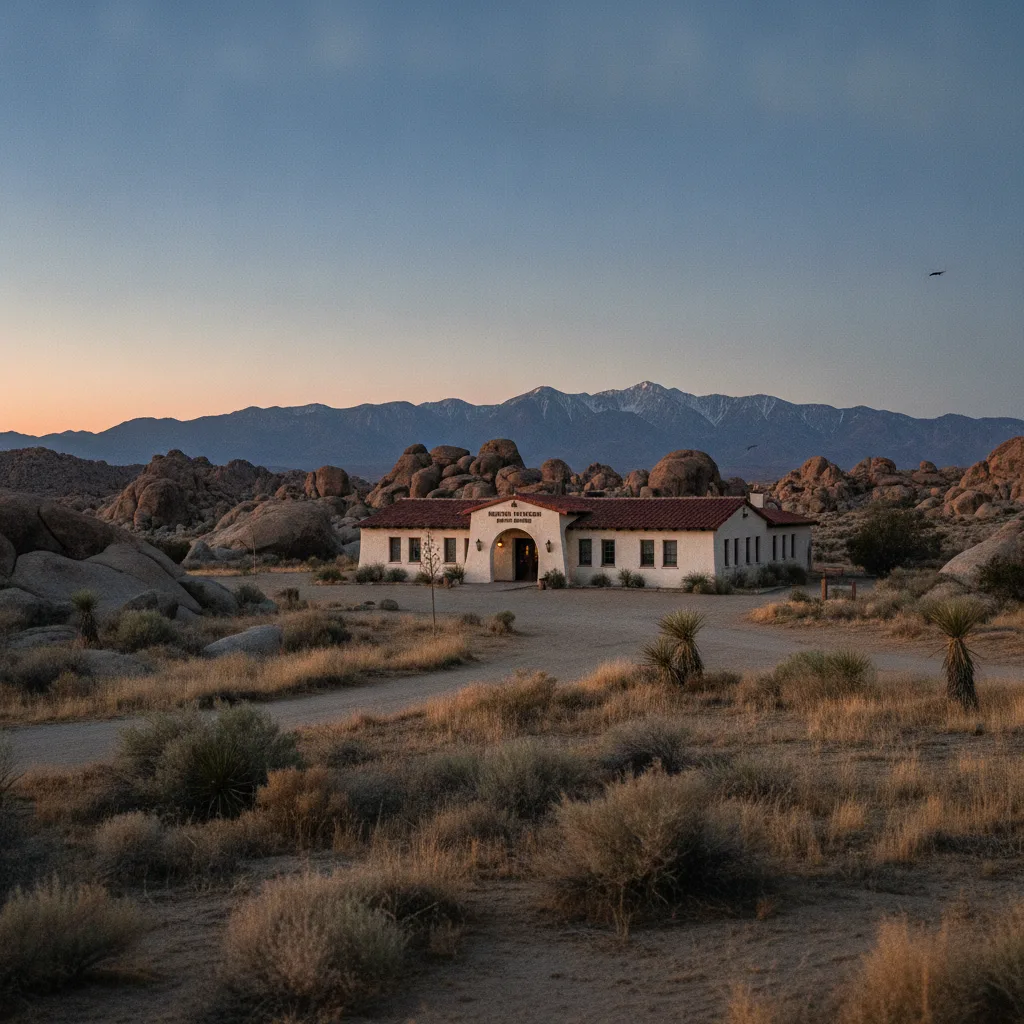
Our Museum of Western Film History guide covers practical planning for the Museum of Western Film History California — best time to visit, getting there, and what to do on the ground.
Nestled against the dramatic backdrop of the Alabama Hills, the California desert landscape that has served as Hollywood’s most enduring Western film set, the Museum of Western Film History California stands as a vibrant tribute to the silver screen’s enduring legacy. Our team at Roam States has extensively explored this unique destination, and we’re here to provide you with the definitive guide to planning your visit in 2026. Forget generic travel advice; we’re diving deep into the specifics, from operating hours and admission fees to the best local lodging and must-see attractions, ensuring your trip is as epic as the films celebrated within its walls.
Why Visit Museum of Western Film History
For over a century, the rugged, otherworldly terrain surrounding Lone Pine has captivated filmmakers, providing the perfect canvas for tales of cowboys, outlaws, and adventurers. The Museum of Western Film History is not just a collection of artifacts; it’s a portal to this cinematic past, preserving and documenting the rich history of American Western films and other productions shot in the Eastern Sierra. We’ve found that it offers an unparalleled opportunity to connect with the magic of filmmaking, right where the action happened. From classic Westerns starring legends like John Wayne and Gene Autry to modern blockbusters such as *Iron Man* and *Django Unchained*, the museum showcases the incredible versatility of this iconic landscape.
Our team believes that the museum provides a unique educational and nostalgic experience. You can explore extensive exhibits featuring authentic movie memorabilia, vintage vehicles, and detailed displays that tell the stories behind hundreds of films and television shows. It's a chance to walk through cinematic history, understand the craft of filmmaking, and appreciate the natural beauty that drew Hollywood to this remote corner of California. The museum actively collects and preserves original materials, ensuring that the heritage of Western film and popular culture is available for future generations to discover.
Who It's Best For
The Museum of Western Film History caters to a surprisingly broad audience, making it a fantastic stop for various travelers. We confidently recommend it for:
- **Film Enthusiasts:** If you're a cinephile, especially with a love for Westerns, this museum is a pilgrimage site. The detailed exhibits on actors, directors, and filming techniques, alongside actual props and vehicles, offer an immersive experience that goes beyond typical movie museums.
- **History Buffs:** Beyond the silver screen, the museum offers insights into the cultural impact of Westerns and the history of the Lone Pine area. Understanding how Hollywood shaped perceptions of the American West is a fascinating journey.
- **Families with Older Children:** While younger children might enjoy the vehicles and some exhibits, older kids and teenagers will likely appreciate the historical context and the connections to films they might recognize. The self-guided tours of filming locations in the Alabama Hills can turn into an exciting treasure hunt for movie scenes.
- **Road Trippers along Highway 395:** If you're exploring the Eastern Sierra, perhaps on your way to Yosemite National Park or Death Valley, the museum offers a compelling and easy-to-access stop that breaks up the drive with culture and history.
- **Photographers and Nature Lovers:** The museum serves as an excellent introduction to the Alabama Hills, inspiring visitors to explore the stunning rock formations and landscapes where countless scenes were shot.
It's truly a destination that offers something for everyone, whether you're a dedicated fan or simply curious about the intersection of Hollywood and the American West.
Getting There & Parking
Understanding how to get to the Museum of Western Film History and where to park is crucial for a smooth visit. The museum is conveniently located directly on Highway 395 in Lone Pine, California, making it easily accessible for travelers traversing the Owens Valley.
How to Get There
From Los Angeles, the drive typically takes about 3 to 3.5 hours, heading north on US-395. From areas north of Lone Pine, such as Bishop or Mammoth Lakes, you'll head south on US-395. The museum is situated at 701 S. Main Street, Lone Pine, CA 93545.
For those flying in, the closest major airports are in Los Angeles (LAX) or Las Vegas (LAS), both requiring a scenic drive of several hours. We always recommend checking road conditions, especially during winter months, as weather can occasionally impact travel on mountain passes, though Lone Pine itself is at a lower elevation.
Museum of Western Film History Parking
Our team confirms that the Museum of Western Film History offers ample free on-site parking for visitors. This is a significant convenience, especially during peak seasons. For those traveling with electric vehicles, you'll be pleased to know there are sixteen Tesla Super Charging Stations adjacent to the museum's parking lot, providing quick charging options.
Additionally, for hikers planning multi-night excursions into the nearby wilderness areas, the museum offers a limited number of extended long-term hiker parking spots from May to September. A paid parking permit is required for overnight parking, costing $5 per night or $25 per week. These permits can be obtained inside the museum or via a link on their website. Vehicles parked overnight without a permit are subject to towing, so be sure to secure yours if needed.
The museum is also pet-friendly, provided pets are on a leash or carried and under the owner's control at all times.
Top Things to Do
A visit to the Museum of Western Film History and the surrounding area offers a wealth of experiences. Our team has curated the top things to do at Museum of Western Film History and in the charming town of Lone Pine.
Things to Do at Museum of Western Film History
- **Explore the Exhibits:** The heart of your visit will be immersing yourself in the museum's extensive collection. Expect to find props, costumes, vehicles, and photographs from hundreds of films and TV shows shot in the area. Highlights include Dr. Schultz's wagon and Quentin Tarantino's director's chair from *Django Unchained*, as well as exhibits dedicated to classic Western stars like John Wayne, Gene Autry, and Roy Rogers. You'll also see artifacts from non-Westerns like *Tremors* and *Iron Man*.
- **Watch a Film:** The museum features an 85-seat theater that regularly screens locally made films. While schedules can vary, this offers a fantastic way to see the Alabama Hills come alive on screen.
- **Visit the Gift Shop:** Pick up unique souvenirs, books, and Western-themed items to remember your visit.
- **Plan Your Alabama Hills Tour:** Before heading out, grab one of the museum's printed guide brochures or a "Movie Road Self-Guided Tour" booklet. These resources are invaluable for finding specific filming locations in the Alabama Hills.
Things to Do in Lone Pine
Beyond the museum, Lone Pine and its immediate surroundings are packed with adventure and cinematic history. Here are some of our top recommendations for things to do in Lone Pine:
- **Drive Movie Road in the Alabama Hills:** This is a must-do. Just minutes from the museum, Movie Road winds through the iconic Alabama Hills, offering breathtaking views of the Sierra Nevada and countless famous filming locations. You can pick up a self-guided tour map from the museum or the Lone Pine Chamber of Commerce to identify specific movie backdrops.
- **Hike to Mobius Arch:** Within the Alabama Hills, the Mobius Arch Loop Trail is an easy hike that leads to several natural arches, including the famous Mobius Arch, which perfectly frames Mount Whitney in its opening. It's especially stunning at sunrise or sunset.
- **Explore Whitney Portal Road:** This scenic drive ascends 13 miles and 5,000 vertical feet from Lone Pine into the Sierra Nevada, leading to the base of Mount Whitney, the highest peak in the contiguous United States. Along the way, you'll find pullouts for photos, hiking trails, and the Whitney Portal store.
- **Visit the Eastern Sierra InterAgency Visitor Center:** Located just south of Lone Pine, this center provides valuable information on local attractions, permits for hiking, and interpretive displays about the region's natural and cultural history.
- **Discover Manzanar National Historic Site:** A short drive north of Lone Pine, Manzanar preserves the site of one of ten Japanese American incarceration camps established during World War II. It's a sobering and important historical site.
- **Enjoy Outdoor Activities:** The area is a haven for outdoor enthusiasts, offering hiking, rock climbing, fishing in the Owens River, and birdwatching at Owens Lake.
Best Time to Visit
Timing your visit to the Museum of Western Film History and the Alabama Hills can significantly enhance your experience. Our team has found that the shoulder seasons generally offer the most pleasant conditions.
The "sweet spots" for visiting the region are **April/May and September/October**. During these months, the weather in Lone Pine is typically very pleasant, with comfortable temperatures ideal for exploring the outdoor filming locations and hiking in the Alabama Hills.
- **Spring (April-May):** You'll often find mild temperatures, fewer crowds than summer, and potentially some wildflowers. The mountain roads leading to higher elevations might still have some snow, but the Alabama Hills and Lone Pine area are generally clear.
- **Fall (September-October):** This is arguably the best time to visit. The weather is usually crisp and clear, perfect for photography, and the summer heat has subsided. The annual Lone Pine Film Festival, a major event celebrating the area's cinematic heritage, takes place in October (October 8-11, 2026). This festival features film screenings, celebrity guests, guided location tours, and panels, making it an exciting time for film buffs.
If you're primarily focused on visiting Lone Pine and the lower Highway 395 corridor, **September to May** is generally recommended.
- **Summer (June-August):** While popular for those heading to higher elevations for hiking, Lone Pine itself can experience "dang hot summers," with temperatures often in the 90s. If you visit in summer, plan outdoor activities for early mornings or late afternoons.
- **Winter (November-March):** Winters are cool and generally dry in Lone Pine. This can be a great time to explore the Alabama Hills and even nearby Death Valley National Park without the intense heat. However, mountain roads to higher elevations will likely be closed due to snow.
Ultimately, the best time to visit depends on your priorities, but for comfortable exploration of the Museum of Western Film History and its surrounding outdoor attractions, spring and fall are our top picks.
Where to Stay Nearby
Finding comfortable Museum of Western Film History lodging is easy, with several options available in Lone Pine to suit various budgets and preferences. Our team recommends staying in Lone Pine itself, as it provides convenient access to the museum and the Alabama Hills, along with local dining and services.
Here are some of the best hotels near Museum of Western Film History, offering a range of amenities:
- **Trails Motel:** Located less than 0.1 miles from the museum, the Trails Motel is highly rated for its excellent service and cleanliness. It offers good value and is within easy walking distance of dining options.
- **Historic Dow Hotel:** Just 0.2 miles from the museum, this historic hotel features a seasonal outdoor pool and a shared lounge. It's noted for being clean and well-maintained.
- **Lone Pine Budget Inn:** Situated about 0.4 miles from the museum, this motel offers spacious, clean rooms and is praised for its friendly staff and quiet location slightly off the main highway.
- **Best Western Frontier Motel:** Approximately 0.6 miles from the museum, the Best Western Frontier Motel is a popular choice, often highlighted for its amazing breakfast and attentive staff. It also offers secure parking.
- **Mt Whitney Motel:** Located 0.5 miles from the museum, this motel is known for its great value and comfortable rooms.
- **Quality Inn Lone Pine Near Mount Whitney:** About 1.4 miles from the museum, this Quality Inn offers amenities like free WiFi, free parking, and a 24-hour front desk. It's also pet-friendly.
For those interested in camping, the Alabama Hills Recreation Area offers several camping options, including dispersed camping on BLM land. There are also established campgrounds in the Inyo National Forest nearby.
When considering Museum of Western Film History lodging, we advise booking in advance, especially during peak seasons or during the Lone Pine Film Festival in October, as accommodations can fill up quickly. Many of these hotels are centrally located, allowing easy access to local restaurants and shops in Lone Pine.
Sample 2-Day Itinerary
To help you make the most of your visit, our team has crafted a sample 2-day itinerary focusing on the Museum of Western Film History and the surrounding cinematic landscape.
Day 1: Cinematic Immersion & Alabama Hills Exploration
- **Morning (9:00 AM - 12:00 PM):** Start your day at the Museum of Western Film History California. Allow at least 2-3 hours to thoroughly explore the exhibits, watch a film, and browse the gift shop. Take your time to appreciate the memorabilia and learn about the area's rich film history. Remember, admission for adults is $5, and children are free.
- **Lunch (12:00 PM - 1:00 PM):** Grab a casual lunch at one of Lone Pine's local eateries, such as the Alabama Hills Cafe & Bakery or Mt Whitney Restaurant, both popular choices.
- **Afternoon (1:00 PM - 5:00 PM):** Head into the Alabama Hills for a self-guided tour of filming locations. Pick up a "Movie Road Self-Guided Tour" booklet from the museum or the Lone Pine Chamber of Commerce. Drive along Movie Road, stopping at iconic spots like the Mobius Arch, Lone Ranger Canyon, and Gene Autry Rock. Take plenty of photos and try to match the landscapes to scenes from your favorite Westerns.
- **Late Afternoon/Sunset (5:00 PM - 7:00 PM):** Find a scenic spot in the Alabama Hills to watch the sunset over the Sierra Nevada. The changing light creates dramatic photographic opportunities.
- **Evening (7:00 PM onwards):** Enjoy dinner in Lone Pine. Consider the Historic Dow Hotel's restaurant or another local favorite.
Day 2: Mountain Vistas & Historical Reflection
- **Morning (8:00 AM - 12:00 PM):** Drive up Whitney Portal Road. This stunning 13-mile winding road offers incredible views of the Sierra Nevada and leads to the Mount Whitney trailhead. Stop at various pullouts for photos and take a short, easy hike along a portion of the Mount Whitney Trail or explore the picnic areas and waterfalls.
- **Lunch (12:00 PM - 1:00 PM):** You can pack a picnic to enjoy at Whitney Portal or return to Lone Pine for lunch.
- **Afternoon (1:00 PM - 4:00 PM):** Visit the Manzanar National Historic Site, located a short drive north of Lone Pine. This poignant site offers a powerful look into a significant chapter of American history. Allow at least 2-3 hours to explore the exhibits and grounds.
- **Late Afternoon (4:00 PM - 5:00 PM):** Stop at the Eastern Sierra InterAgency Visitor Center for additional information on the region, permits, and interpretive displays. Enjoy the panoramic views of Mount Whitney from the visitor center.
- **Evening:** Depending on your onward journey, enjoy a final dinner in Lone Pine or begin your drive to your next destination. If you're heading to other parts of California, consider exploring destinations like Death Valley National Park to the south or continuing north along Highway 395 towards Yosemite National Park.
This itinerary offers a balanced mix of cinematic history, natural beauty, and reflection, ensuring a memorable visit to the Museum of Western Film History California and its captivating surroundings.
Museum of Western Film History with Kids
Visiting the Museum of Western Film History with kids can be a fun and engaging experience, especially for those interested in movies or the "Wild West." Our team suggests focusing on the visual elements: the vehicles, movie props (like the wagon from *Django Unchained*), and costumes tend to capture their imagination. The self-guided tours of the Alabama Hills filming locations can be turned into an exciting scavenger hunt to spot familiar movie backdrops. The museum is pet-friendly, allowing leashed or carried pets, which can be a bonus for families traveling with their furry companions.
Best Hotels Near Museum of Western Film History
For the best hotels near Museum of Western Film History, we recommend several highly-rated options in Lone Pine. The Trails Motel, Historic Dow Hotel, and Lone Pine Budget Inn are all within a half-mile of the museum, offering convenience and good value. The Best Western Frontier Motel and Quality Inn Lone Pine Near Mount Whitney are also excellent choices, known for their amenities and proximity. Many of these provide free parking and are within walking distance of local dining.
Museum of Western Film History Tips
Our top Museum of Western Film History tips for a great visit include: arriving early, especially during peak season, to enjoy the exhibits before crowds gather. Allow at least 2-3 hours for a thorough visit. Don't forget to pick up a self-guided tour map for the Alabama Hills at the museum's front desk. If you're planning a multi-day hike, inquire about extended hiker parking permits at the museum, which cost $5/night or $25/week from May to September. Also, check their website or call ahead for current hours and any special events, like weekly film screenings or the annual Lone Pine Film Festival in October.
Where to Stay Near Museum of Western Film History
When considering where to stay near Museum of Western Film History, Lone Pine offers the most convenient options. We've found that hotels like the Trails Motel, Historic Dow Hotel, and Lone Pine Budget Inn are all very close, often within walking distance. These provide easy access to the museum, local restaurants, and the gateway to the Alabama Hills. For those seeking a bit more, the Best Western Frontier Motel and Quality Inn Lone Pine Near Mount Whitney offer additional amenities like breakfast and fitness centers.
Museum of Western Film History Parking
Regarding Museum of Western Film History parking, visitors will find ample free parking available directly on-site. For Tesla owners, sixteen Super Charging Stations are conveniently located adjacent to the museum. For hikers needing to leave their vehicles for multiple nights while exploring the wilderness, the museum offers extended paid parking permits for $5 per night or $25 per week during the May-September season. These permits must be obtained inside the museum to avoid towing.
Best Time to Visit Museum of Western Film History
The best time to visit Museum of Western Film History and the surrounding area is during the shoulder seasons of **April/May and September/October**. These months offer mild and pleasant weather, ideal for exploring the outdoor filming locations in the Alabama Hills without the intense heat of summer or the potential for mountain road closures in winter. Fall is particularly special due to the annual Lone Pine Film Festival, held from October 8-11, 2026, which brings additional events and excitement to the area. If visiting in summer, plan outdoor activities for early mornings or late afternoons to avoid the heat.
Our team at Roam States hopes this comprehensive guide empowers you to plan an unforgettable journey to the Museum of Western Film History California. From delving into cinematic history to exploring the breathtaking Alabama Hills, this unique destination promises an adventure worthy of the silver screen. We encourage you to embrace the spirit of the Westerns and discover the magic that continues to draw visitors to this iconic corner of the Golden State. For more travel inspiration across the state, explore our guide to Best places in California, or plan your next adventure with our comprehensive Plan Your US Trip resources, perhaps even combining your visit with other California icons like the Golden Gate Bridge.
Expert Verdict: The Museum of Western Film History is an essential stop for anyone traveling through the Eastern Sierra. Its unique blend of Hollywood history and stunning natural landscapes creates an experience that is both educational and deeply immersive. We guarantee it’s worth the detour.
Last updated: 2026-07-05 by the Roam States team.