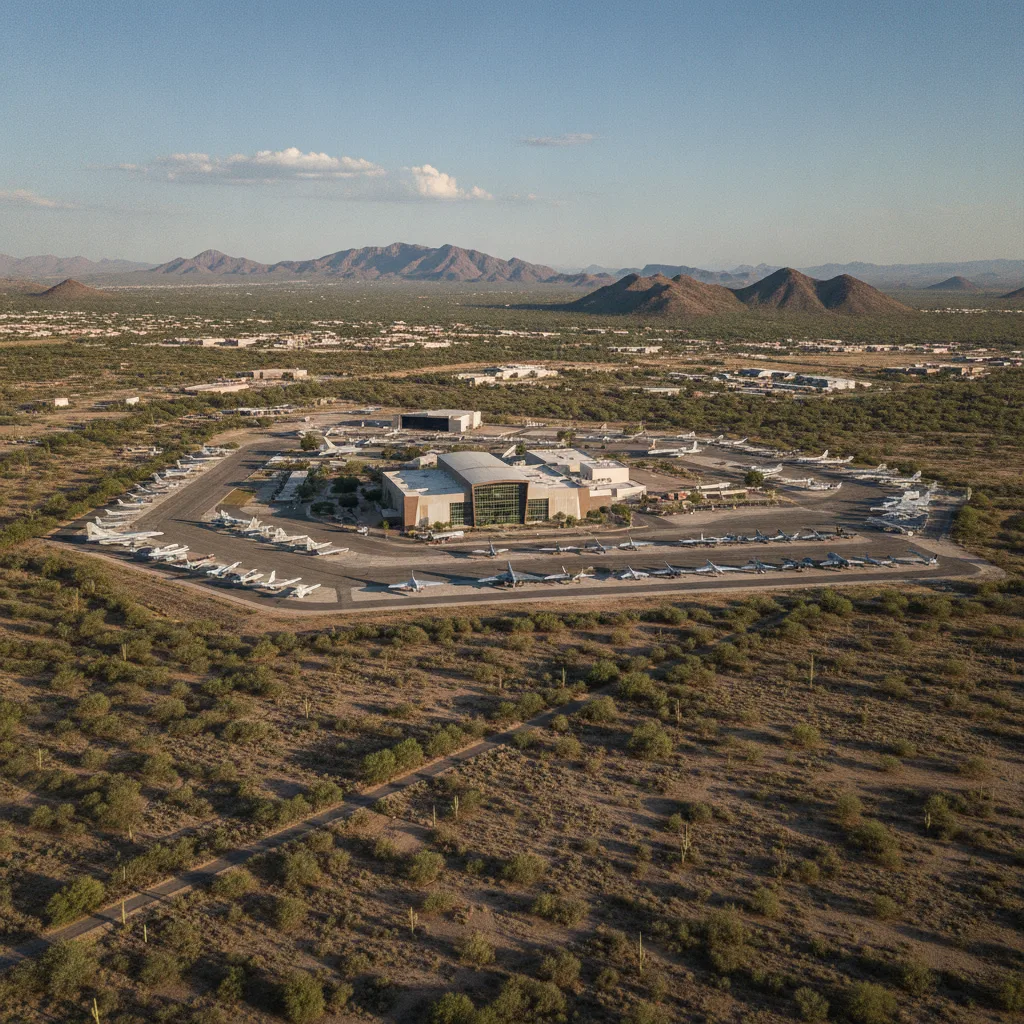
As independent US travel authorities, our Visit America team is here to provide you with the most confident and specific insights for your trip. The Pima Air & Space Museum Arizona is a monumental testament to human ingenuity and the boundless spirit of exploration, making it an essential stop for anyone fascinated by flight.
Why Visit Pima Air & Space Museum
Stepping onto the grounds of the Pima Air & Space Museum is like entering a living history book of aviation. We consider it one of the world's largest aerospace museums, boasting an incredible collection of over 400 aircraft spread across 80 acres. From the earliest pioneers of flight to modern marvels and spacecraft, the sheer scale and diversity of its exhibits are unparalleled. This isn't just a collection of planes; it's a journey through the evolution of aviation, showcasing historic planes, rockets, and spacecraft that have shaped our world.
Our team has explored countless museums, and few capture the imagination quite like Pima. The museum is a non-governmental, self-supporting 501(c)3 non-profit organization, a detail that speaks to its passion-driven preservation efforts. It houses six indoor exhibit hangars, with three specifically dedicated to the pivotal role of aviation in World War II. Beyond the impressive aircraft, you'll find the Dorothy Finley Space Gallery, the Arizona Aviation Hall of Fame, and the 390th Memorial Museum on its expansive grounds, offering a comprehensive look at aerospace history.
The opportunity to see iconic aircraft up close, like a Wright Flyer or a 787 Dreamliner, provides a unique perspective on technological advancement. It's an immersive experience that goes beyond static displays, offering a tangible connection to the stories of pilots, engineers, and astronauts. For anyone with even a passing interest in flight, the Pima Air & Space Museum offers an enriching and awe-inspiring visit.
Who It's Best For
The Pima Air & Space Museum genuinely offers something for everyone, making it a fantastic destination for diverse groups of travelers. We find it particularly ideal for:
- Aviation Enthusiasts: This is an obvious one. With over 400 aircraft and 125,000 artifacts, from historic planes to rockets, it's a paradise for those passionate about aerospace history and technology.
- Families with Children: Kids under 5 get free admission, and the vast outdoor displays provide plenty of space for little ones to roam and explore. The museum offers summer camps and special events like "Night Ops" which are designed for families and children, providing engaging and educational experiences. Interactive exhibits and the sheer size of the aircraft are sure to captivate young minds.
- History Buffs: The three dedicated World War II hangars, the 390th Memorial Museum, and the Arizona Aviation Hall of Fame provide deep dives into significant periods and figures in aviation history.
- Educators and Students: The museum's commitment to aerospace education is evident in its extensive collection and programs. It's an invaluable resource for learning about scientific principles, engineering, and historical events through the lens of flight.
- Photographers: The sheer number and variety of aircraft, both indoors and outdoors against the stunning Arizona landscape, offer endless photographic opportunities.
Whether you're looking for an educational outing, a day of wonder, or a deep dive into aviation, the Pima Air & Space Museum delivers.
Getting There & Parking
Understanding how to get to Pima Air & Space Museum and where to park is crucial for a smooth visit. The museum is conveniently located in Tucson, Arizona, just off I-10 at exit 267. The address is 6000 E. Valencia Road, Tucson, AZ 85756. From downtown Tucson, it's a straightforward drive south, typically taking around 15-20 minutes depending on traffic.
For those flying into the area, Tucson International Airport (TUS) is quite close, making for an easy commute to the museum upon arrival. Rental cars are readily available at the airport and provide the most flexible way to reach the museum and explore the surrounding region.
Regarding Pima Air & Space Museum parking, visitors will be pleased to know that ample free parking is available on-site. This includes designated spaces for RVs, though overnight parking is not permitted. Accessible parking spaces are conveniently located near the museum's entrance for those with handicapped permits. We always recommend arriving a bit earlier, especially during peak season, to ensure you get a good spot and can start your exploration without delay.
Top Things to Do
A visit to the Pima Air & Space Museum is an adventure in itself, with a multitude of things to do at Pima Air & Space Museum. Our team suggests allocating at least 3-4 hours to fully appreciate the vast collection, though a 2-day pass is available if you wish to delve deeper.
Explore the Hangars
Begin your journey in the six indoor exhibit hangars. The Main Hangar (Hangars 1, Spirit of Freedom, & Flight Central) is a must-see, housing some of the museum's most popular aircraft, including the iconic SR-71 Blackbird and the F-4 Phantom II. Three hangars are specifically dedicated to World War II, offering an immersive look at the aircraft and stories from that era, such as the B-17G "Flying Fortress."
Outdoor Aircraft Displays & Tram Tour
Venture outside to explore the 80 acres of outdoor display grounds, home to over 200 aircraft. To cover this expansive area efficiently, we highly recommend taking the narrated Public Tram Tour. This 45-minute tour provides fascinating stories behind iconic planes and stunning views of the collection against the desert backdrop. Tickets for the public tram are sold at the boarding area in front of the Aerospace Gallery and cost $10 per person with museum admission. Please note, tram tickets are sold on a first-come, first-served basis and cannot be purchased in advance.
**Expert Verdict:** While historically the museum offered tours of the "Boneyard" (309th Aerospace Maintenance and Regeneration Group or AMARG) at Davis-Monthan Air Force Base, these bus tours have been permanently discontinued due to changes in U.S. Air Force security considerations. The museum now provides an opportunity to learn about AMARG's history and view similar rare aircraft outdoors on its own grounds.
Special Exhibits and Tours
Don't miss the Dorothy Finley Space Gallery, showcasing rockets and spacecraft, and the Arizona Aviation Hall of Fame. On select dates, the museum offers interior tours of specific aircraft like the 747-SP “SOFIA,” DC-10 “Orbis,” and the Martin Mars. These provide a rare chance to step inside these magnificent machines. Check the museum's schedule for availability, as these tours require climbing stairs.
Dining and Shopping
When hunger strikes, the Flight Grill offers indoor and outdoor seating with a menu featuring chili, salads, sandwiches, and Southwest dishes. Expect to pay around $11-$15 per entree, with kids' meals available for $8.25. Remember that outside food and drinks, with the exception of water, are not permitted inside the museum. A gift shop is also on-site, perfect for souvenirs.
Beyond the Museum: Things to Do in Tucson
While the Pima Air & Space Museum is a highlight, there are many other fantastic things to do in Tucson. We highly recommend exploring the Saguaro National Park, located on both sides of the city, where you can witness the iconic saguaro cacti. The Arizona-Sonora Desert Museum is another unique attraction, combining a zoo, botanical garden, and natural history museum. For a taste of history, visit Mission San Xavier del Bac, a stunning 18th-century Spanish Catholic mission. Other notable attractions include the Reid Park Zoo, Sabino Canyon Recreation Area, and the historic Barrio Viejo neighborhood.
Best Time to Visit
Choosing the best time to visit Pima Air & Space Museum, and Tucson in general, significantly impacts your experience. Our team universally recommends visiting during the cooler months, from **October through April**. During this period, you'll enjoy mild, sunny days with comfortable temperatures, perfect for exploring the outdoor exhibits and other Tucson attractions without the intense summer heat.
- Spring (March-May): This is a vibrant time, with desert wildflowers in bloom across the landscape. Daytime highs are comfortably between 70-85°F (21-29°C), making it ideal for outdoor activities.
- Fall (September-November): Offers similarly pleasant weather, with cooler temperatures and clear skies perfect for stargazing and enjoying the desert scenery. Festivals and outdoor events are common during this season.
- Winter (December-February): Expect crisp, sunny days and mild temperatures, making it a popular time for "snowbirds" and tourists seeking an escape from colder climates.
We advise caution if planning a visit during the summer months (May-September). Average highs can reach 99-103°F (37-39°C), with monsoon season bringing afternoon thunderstorms from mid-July through early September. While the museum's indoor hangars are climate-controlled, extended time outdoors can be challenging. During June through September, the museum's last admission is at 3 PM, and it closes at 5 PM, a slight adjustment from the rest of the year.
Where to Stay Nearby
Finding the right Pima Air & Space Museum lodging is key to a comfortable and convenient trip. The museum is situated relatively close to Tucson International Airport, and this area offers a good selection of hotels. We've found that staying in this vicinity provides easy access to the museum and major roadways.
For those seeking convenience, numerous hotels cluster around the airport, typically just a few miles from the museum. Options include well-known brands like La Quinta Inn & Suites by Wyndham Tucson Airport, Hampton Inn Tucson-Airport, Hilton Garden Inn Tucson Airport, and Residence Inn by Marriott Tucson Airport. Many of these offer amenities such as complimentary breakfast, pools, and airport shuttles, catering to both leisure and business travelers.
If you prefer more budget-friendly Pima Air & Space Museum lodging, options like Studio 6 Tucson, AZ - Irvington Road, Red Roof Inn Tucson – Vail, and Baymont by Wyndham Tucson Airport are often available. These provide comfortable stays without breaking the bank. For those looking for a slightly more upscale experience or a different vibe, consider exploring hotels a bit further north towards central Tucson or the Catalina Foothills, which offer resorts and boutique hotels, though these will increase your travel time to the museum.
When planning your stay, we recommend checking recent reviews and amenities to ensure the hotel meets your specific needs. Many hotels in Tucson are pet-friendly, which is a plus if you're traveling with furry companions (though remember pets are not allowed on the museum tram or inside the Flight Grill, only service animals).
Sample 2-Day Itinerary
To help you make the most of your visit to the Pima Air & Space Museum Arizona and the surrounding area, our team has crafted a sample 2-day itinerary. This plan balances museum exploration with other unique Arizona experiences.
Day 1: Aviation Immersion at Pima Air & Space Museum
- Morning (9:00 AM - 1:00 PM): Arrive at the Pima Air & Space Museum shortly after opening. Head straight for the indoor hangars, starting with the Main Hangar to see the SR-71 Blackbird and other iconic aircraft. Dedicate ample time to the three WWII hangars, immersing yourself in the history.
- Lunch (1:00 PM - 2:00 PM): Enjoy a casual lunch at the Flight Grill on-site, offering a convenient break with a variety of options.
- Afternoon (2:00 PM - 5:00 PM): Explore the vast outdoor collection. Take the narrated Public Tram Tour to cover the 80 acres and learn about the numerous aircraft. Afterwards, visit the Dorothy Finley Space Gallery and the Arizona Aviation Hall of Fame. If available, consider one of the aircraft interior tours.
- Evening: Check into your chosen Pima Air & Space Museum lodging near the airport. For dinner, explore local Tucson eateries, perhaps trying some authentic Sonoran hot dogs or Mexican cuisine.
Day 2: Desert Wonders and Tucson Exploration
- Morning (9:00 AM - 1:00 PM): Embark on a desert adventure. Head to Saguaro National Park (East or West unit) for a scenic drive, short hike, and breathtaking views of the towering saguaro cacti. Alternatively, visit the Arizona-Sonora Desert Museum, a unique blend of zoo, botanical garden, and natural history museum, perfect for understanding the Sonoran Desert ecosystem.
- Lunch (1:00 PM - 2:00 PM): Enjoy lunch at a restaurant near Saguaro National Park or back in central Tucson.
- Afternoon (2:00 PM - 5:00 PM): Explore more of Tucson's cultural and historical sites. Visit the stunning Mission San Xavier del Bac, known as the "White Dove of the Desert." Afterwards, stroll through the historic Barrio Viejo neighborhood, admiring its colorful adobe architecture.
- Evening: For a memorable farewell, consider a drive up the scenic Mount Lemmon Byway for cooler temperatures and panoramic views, perhaps catching a desert sunset. Enjoy dinner in one of Tucson's vibrant districts like Fourth Avenue or downtown.
This itinerary can be adapted to your interests, perhaps substituting a visit to Grand Canyon National Park or Monument Valley Navajo Park if you have more time in Arizona. Remember to always check operating hours and make any necessary reservations, especially if traveling with a group. For more ideas on planning your broader US trip, visit our Plan Your US Trip guide.
Last updated: 2026-07-05 by the Visit America team.