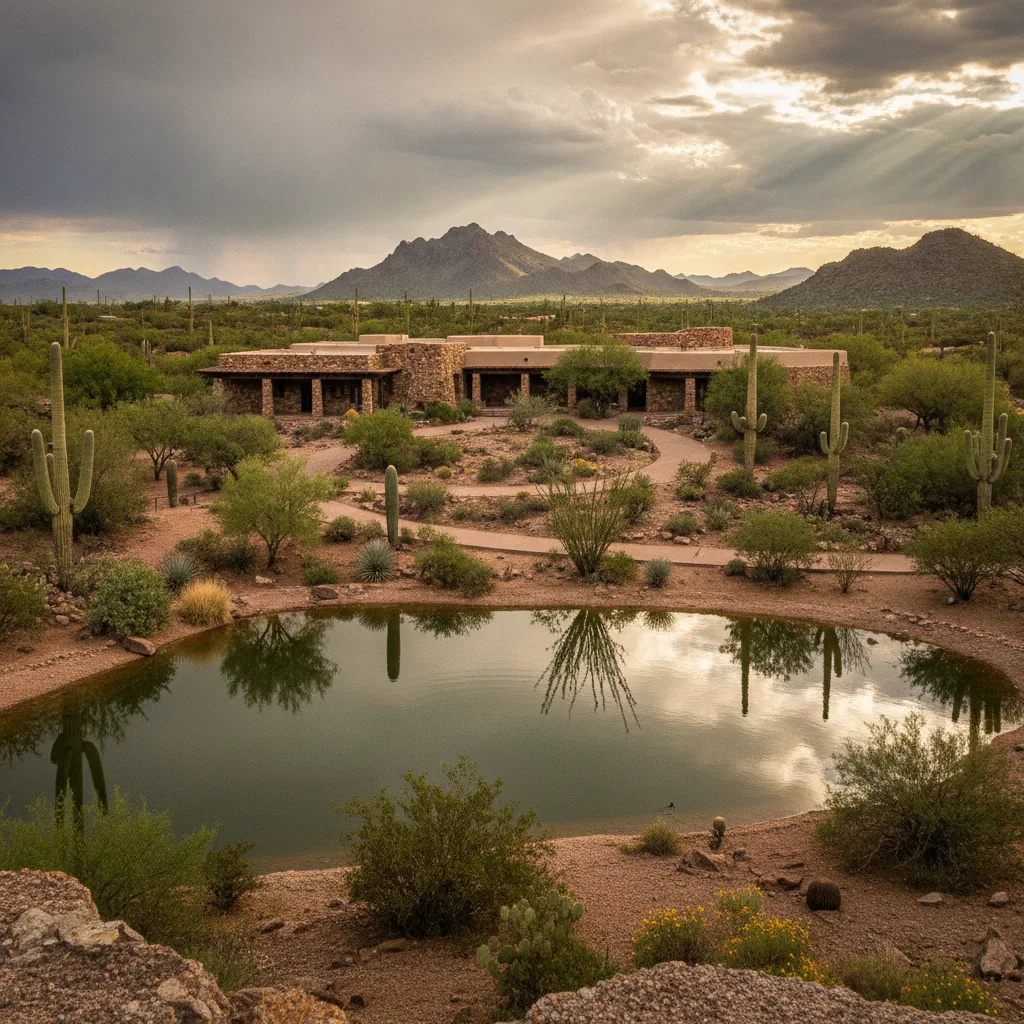
The Arizona-Sonora Desert Museum Arizona is far more than a typical zoo or botanical garden; it’s an immersive, 98-acre living museum dedicated to the Sonoran Desert’s incredible biodiversity. Our team considers it an essential stop for anyone seeking to understand the unique ecology, wildlife, and plant life of this vibrant desert region. We’ve explored its trails, observed its inhabitants, and experienced its educational programs firsthand, and we’re here to share our expert insights to help you plan your perfect visit.
Why Visit Arizona-Sonora Desert Museum
We believe the Arizona-Sonora Desert Museum offers an unparalleled opportunity to connect with the natural world of the Sonoran Desert. Unlike traditional institutions, this museum seamlessly blends a zoo, botanical garden, art gallery, and natural history museum into one cohesive experience. You won't just see animals in enclosures; you'll observe them in naturalistic habitats designed to mimic their native environments, often with minimal barriers. The same goes for the plant collections, which showcase the desert's remarkable flora in beautifully landscaped settings. It’s an educational adventure that appeals to all ages, fostering a deep appreciation for conservation and the delicate balance of desert ecosystems. From majestic mountain lions to tiny hummingbirds, and from towering saguaros to delicate wildflowers, the diversity on display is truly breathtaking.
Who It's Best For
The Arizona-Sonora Desert Museum is a destination we confidently recommend for a wide range of visitors. Families with children will find endless opportunities for discovery, with engaging exhibits and plenty of space for little ones to explore. Nature enthusiasts, birdwatchers, and photographers will be captivated by the sheer variety of wildlife and plant species, along with abundant scenic vistas. Educators and students will appreciate the museum's strong focus on conservation and its comprehensive educational programs. Even those who claim not to be "museum people" often find themselves thoroughly engrossed by the outdoor, interactive nature of the experience. It's an ideal spot for anyone looking to spend a day outdoors, learn about a unique ecosystem, and gain a deeper understanding of the American Southwest. However, visitors with significant mobility challenges should be aware that while many paths are paved and accessible, the museum covers a large, undulating area, and some trails involve inclines.
Getting There & Parking
Reaching the Arizona-Sonora Desert Museum is straightforward, though it requires a bit of a drive from downtown Tucson. Located west of the city, nestled against the stunning Tucson Mountains and adjacent to Saguaro National Park (West), the journey itself offers picturesque desert views. From central Tucson, expect a drive of approximately 30-45 minutes, depending on traffic and your starting point. The most common route involves taking West Anklam Road or Speedway Boulevard west, which then merges into Kinney Road, leading directly to the museum entrance.
For those relying on GPS, the address is 2100 N. Kinney Rd, Tucson, AZ 85743. We always recommend checking current road conditions before you depart, especially during peak tourist seasons or if there have been recent weather events. Public transportation options directly to the museum are limited, so a personal vehicle or ride-sharing service is generally necessary.
Parking at the Arizona-Sonora Desert Museum is ample and, thankfully, free of charge. The museum provides large parking lots capable of accommodating numerous vehicles, including RVs and buses. While parking is generally plentiful, on exceptionally busy weekends or during special events, lots can fill up, especially if you arrive later in the day. We advise arriving earlier in the morning, particularly during the popular cooler months, to secure a prime spot and beat the crowds. No reservations are typically required for general admission parking, making your arrival smooth and hassle-free.
Top Things to Do
When planning your visit, you'll discover that the sheer variety of things to do at Arizona-Sonora Desert Museum is truly impressive. Our team has spent countless hours exploring, and we can confidently say there's something to captivate every interest. Here are some of our top recommendations for things to do at Arizona-Sonora Desert Museum:
- Explore the Desert Loop Trail: This primary pathway guides you through the majority of the museum's outdoor exhibits, showcasing diverse habitats and animal enclosures. It’s an excellent way to get an overview of the Sonoran Desert’s ecosystems.
- Witness Raptor Free Flight: A highlight for many, this daily demonstration allows you to see magnificent birds of prey — hawks, owls, and falcons — fly overhead, often just inches away. Check the daily schedule for showtimes as they can vary.
- Wander through the Botanical Gardens: Immerse yourself in the incredible diversity of desert flora. The Cactus Garden, Agave Garden, and Pollinator Garden are particularly stunning, especially in spring when many plants are in bloom.
- Visit the Hummingbird Aviary: Step into this enclosed space for an intimate encounter with various hummingbird species flitting and feeding around you. It's a truly magical experience.
- Descend into the Mountain Woodland and Riparian Corridor: These areas showcase different desert habitats, including a cooler, shadier woodland and a lush riparian zone, offering a glimpse into the diverse microclimates of the region.
- Discover the Cat Canyon: Home to impressive predators like mountain lions and bobcats, this exhibit provides excellent viewing opportunities in naturalistic settings.
- Experience the Earth Sciences Center: Delve into the geology and paleontology of the Sonoran Desert, with fascinating exhibits on minerals, fossils, and the region's geological history.
- Admire Desert Art: The museum also features several art galleries, including the Ironwood Gallery, showcasing art inspired by the desert landscape and its inhabitants.
- Enjoy a Meal with a View: Stop at one of the museum’s dining options, like the Ocotillo Cafe or Phoebe's Coffee Bar, to refuel and enjoy stunning desert vistas.
- Hike the Arizona-Sonora Desert Museum hiking trails: Beyond the main paved paths, the museum offers several dedicated hiking trails that extend into the surrounding desert. The Desert Loop Trail (not to be confused with the main museum loop) and the Cat Canyon Trail offer more rugged experiences, allowing you to truly immerse yourself in the desert landscape. Some trails even connect to the adjacent Saguaro National Park (West), providing opportunities for longer excursions. These Arizona-Sonora Desert Museum hiking trails are well-maintained and offer fantastic opportunities for wildlife viewing and photography.
Best Time to Visit
Our team unequivocally recommends visiting the Arizona-Sonora Desert Museum during the cooler months to ensure the most comfortable and enjoyable experience. The prime season runs from **October through April**. During this period, daytime temperatures are mild, ranging from the 60s to 80s Fahrenheit (15-27°C), making it ideal for exploring the extensive outdoor exhibits.
Specifically, **March and April** are particularly enchanting as many desert plants burst into bloom, transforming the landscape with vibrant colors. This is also a fantastic time for birdwatching. **October and November** offer similarly pleasant temperatures and fewer crowds than the peak spring season, making for a tranquil visit.
We strongly advise against visiting during the summer months, from **June through September**. Tucson's summer heat is intense, often exceeding 100°F (38°C), which can make extended outdoor exploration uncomfortable and even dangerous. While the museum does have some indoor exhibits and shaded areas, the majority of the experience is outdoors. Many animals are also less active during the hottest parts of the day in summer, seeking shade and conserving energy.
Regardless of when you visit, we recommend arriving early in the morning, especially on weekends. The museum opens at 7:30 AM from March to October and 8:30 AM from November to February. Arriving shortly after opening allows you to enjoy cooler temperatures, observe more active animals, and avoid the largest crowds. Weekdays are generally less busy than weekends.
Where to Stay Nearby
When considering Arizona-Sonora Desert Museum lodging, you have several excellent options, ranging from luxurious resorts to more budget-friendly hotels and even unique camping experiences. The museum's location on the west side of Tucson means you're a short drive from various accommodations, offering both convenience and stunning desert views. Our team has identified some top choices for Arizona-Sonora Desert Museum lodging:
- Luxury Resorts: For those seeking an upscale experience, the JW Marriott Tucson Starr Pass Resort & Spa is an outstanding choice. Located just a short drive from the museum, it offers world-class amenities, including golf courses, multiple pools, and exquisite dining, all set against a backdrop of the Tucson Mountains. Another excellent option, though a bit further north, is The Ritz-Carlton, Dove Mountain, known for its exceptional service and serene desert setting.
- Mid-Range Hotels: Closer to the museum, you'll find a selection of comfortable and well-appointed hotels in West Tucson. Look for properties along West Speedway Boulevard or near the I-10 corridor, which offer good value and easy access to both the museum and other Tucson attractions. Brands like Hilton Garden Inn, Hampton Inn, and Holiday Inn Express often have locations in this vicinity.
- Vacation Rentals: For families or groups, a vacation rental can provide more space and amenities like full kitchens. Websites like Airbnb and VRBO feature numerous homes and condos in the areas surrounding the museum and in West Tucson, offering a more residential and private experience.
- Camping: If you prefer to immerse yourself fully in the desert environment, camping near the Arizona-Sonora Desert Museum is a fantastic option. Gilbert Ray Campground, a Pima County facility, is located very close to the museum and offers spacious sites with electric hookups, flush toilets, and showers. It’s a popular choice for RVs and tent campers alike, providing direct access to hiking trails and incredible stargazing opportunities. Additionally, several campgrounds within Tucson Mountain Park offer rustic camping experiences, putting you right in the heart of the Sonoran Desert.
We recommend booking your Arizona-Sonora Desert Museum lodging well in advance, especially if you plan to visit during the peak season (October-April), as popular options can fill up quickly.
Sample 2-Day Itinerary
To truly appreciate the Arizona-Sonora Desert Museum and its surroundings, we recommend dedicating at least one full day, if not two, to the area. Here’s a sample 2-day itinerary crafted by our team to maximize your experience:
Day 1: Immerse Yourself in the Arizona-Sonora Desert Museum
- Morning (7:30 AM - 1:00 PM): Arrive at the Arizona-Sonora Desert Museum right at opening (7:30 AM from March-October; 8:30 AM from November-February). Start your exploration with the Desert Loop Trail, taking your time to observe the javelinas, coyotes, and various bird species. Don't miss the Cat Canyon to see the mountain lions and bobcats. Be sure to catch the Raptor Free Flight demonstration, usually scheduled mid-morning.
- Lunch (1:00 PM - 2:00 PM): Enjoy lunch at the Ocotillo Cafe for a sit-down meal with panoramic views, or grab a quick bite at Phoebe's Coffee Bar.
- Afternoon (2:00 PM - 5:00 PM): Continue exploring the botanical gardens, especially the Cactus Garden and Agave Garden. Spend time in the Hummingbird Aviary and the Earth Sciences Center. If you're up for a short hike, explore one of the Arizona-Sonora Desert Museum hiking trails, like the Desert Loop Trail (the actual hiking trail, not the main museum loop) for a deeper dive into the natural landscape.
- Evening: Head back to your lodging in West Tucson. For dinner, explore local Tucson eateries or enjoy the amenities of your resort.
Day 2: Saguaro National Park & Desert Exploration
- Morning (8:00 AM - 12:00 PM): Start your day with a visit to Saguaro National Park (West), which is conveniently located adjacent to the museum. Drive the scenic Bajada Loop Drive, stopping at overlooks and short interpretive trails to marvel at the iconic saguaro cacti. Consider a hike on the Valley View Overlook Trail or the Desert Discovery Nature Trail.
- Lunch (12:00 PM - 1:00 PM): Pack a picnic to enjoy in Saguaro National Park, or head back towards Tucson for lunch.
- Afternoon (1:00 PM - 5:00 PM): Explore more of the immediate area. You could visit Old Tucson Studios for a taste of the Old West, or for a more serene experience, visit the historic Mission San Xavier del Bac, a stunning example of Spanish colonial architecture and a significant cultural site.
- Late Afternoon/Evening: Enjoy a final dinner in Tucson, perhaps sampling some of the city's renowned Mexican cuisine. Consider a sunset view from a scenic overlook in Tucson Mountain Park.
This itinerary provides a robust experience, blending the unique offerings of the Arizona-Sonora Desert Museum with the broader attractions of the Sonoran Desert and Tucson area. For more extensive Arizona adventures, consider extending your trip to include destinations like Grand Canyon National Park, Monument Valley Navajo Park, or exploring more of the best places in Arizona.
Is It Worth Visiting?
From our perspective as independent US travel authorities, the question "is Arizona-Sonora Desert Museum worth visiting?" receives an emphatic and resounding YES. This institution consistently ranks among the top attractions in Arizona, and for good reason. It's not just a collection of animals and plants; it's a meticulously curated and deeply educational experience that provides unparalleled insight into the Sonoran Desert. The naturalistic habitats, the commitment to conservation, and the sheer beauty of the surroundings create an engaging and memorable visit for all ages.
We've found that visitors often underestimate the scope and quality of the museum until they arrive. The ability to observe desert wildlife up close, learn about indigenous plant life, and understand the delicate balance of this ecosystem in such an immersive setting is truly unique. If you have even a passing interest in nature, wildlife, or the American Southwest, we are confident that you will find the Arizona-Sonora Desert Museum to be an incredibly rewarding destination. The educational value combined with the stunning natural beauty makes the answer to "is Arizona-Sonora Desert Museum worth visiting?" an unequivocal affirmative. It stands out as a premier example of how to present natural history in an engaging and accessible way.
How to Get There
Understanding how to get to Arizona-Sonora Desert Museum is key to a smooth arrival. As we've mentioned, the museum is situated on the western edge of Tucson, about 14 miles west of downtown, nestled against the Tucson Mountains. This location means you'll enjoy scenic desert drives on your way.
The primary route from central Tucson involves heading west on either West Anklam Road or West Speedway Boulevard. Both of these main thoroughfares will eventually lead you to North Kinney Road. Once you're on North Kinney Road, you'll follow it directly to the museum entrance. The journey typically takes between 30 to 45 minutes, depending on your starting point in Tucson and traffic conditions.
For those using GPS, the exact address is 2100 N. Kinney Rd, Tucson, AZ 85743. We always recommend inputting this address into your navigation system before departing to ensure you have the most up-to-date directions. While the roads are well-maintained, they are winding in parts as they traverse the desert landscape. Keep an eye out for road signs indicating the Arizona-Sonora Desert Museum as you get closer.
Public transportation options are very limited for how to get to Arizona-Sonora Desert Museum. Tucson's public bus system does not have a direct route to the museum, so relying on a personal vehicle, a rental car, or a ride-sharing service (like Uber or Lyft) is the most practical approach. If using a ride-sharing service, be aware that getting a return ride from the museum during off-peak hours might require a short wait, so plan accordingly.
Frequently Asked Questions
Arizona-Sonora Desert Museum camping
While the Arizona-Sonora Desert Museum itself does not offer on-site camping, there are excellent camping options very close by. The most popular choice is Gilbert Ray Campground, a Pima County park located just a few minutes' drive from the museum. It offers spacious sites with electric hookups, water, flush toilets, and showers, accommodating both RVs and tent campers. Reservations are highly recommended, especially during the peak season (October-April). Additionally, several primitive campgrounds are available within the surrounding Tucson Mountain Park for a more rustic experience.
Things to do in Tucson
Tucson offers a wealth of attractions beyond the Arizona-Sonora Desert Museum. Our team recommends exploring Saguaro National Park (both East and West districts) to hike among the iconic cacti. Visit the historic Mission San Xavier del Bac, a stunning Spanish colonial church. For history buffs, Old Tucson Studios provides a glimpse into the Old West, while the Pima Air & Space Museum showcases an impressive collection of aircraft. Outdoor enthusiasts will enjoy hiking and birdwatching in Catalina State Park or exploring the scenic drives of the Santa Catalina Mountains. Don't forget to savor Tucson's renowned culinary scene, especially its authentic Mexican food.
Arizona-Sonora Desert Museum with kids
The Arizona-Sonora Desert Museum is an outstanding destination for families with kids of all ages. Its outdoor, immersive nature means children have plenty of space to explore and discover. Highlights for kids include the engaging animal exhibits, the interactive Earth Sciences Center, and the magical Hummingbird Aviary. The Raptor Free Flight demonstration is always a crowd-pleaser. We recommend bringing a stroller or carrier for younger children, as the museum covers a large area. Pack plenty of water, snacks, and sun protection, and allow for frequent breaks. The museum's focus on natural habitats makes it a fantastic educational and entertaining outing for the whole family.
Best hotels near Arizona-Sonora Desert Museum
For the best hotels near the Arizona-Sonora Desert Museum, we suggest looking at options in West Tucson or slightly further afield for luxury. The JW Marriott Tucson Starr Pass Resort & Spa is a top-tier choice offering extensive amenities and close proximity. Other reliable mid-range options can be found along West Speedway Boulevard or near the I-10 corridor, such as Hilton Garden Inn or Hampton Inn properties. If you're looking for a more unique stay, consider a vacation rental in the surrounding desert areas. Always book in advance, especially during peak travel seasons.
Arizona-Sonora Desert Museum tips
To make the most of your visit, our team offers these Arizona-Sonora Desert Museum tips: 1) Arrive early: Beat the heat and crowds, and see more active animals. 2) Wear comfortable shoes: You'll be doing a lot of walking over varied terrain. 3) Bring water: Stay hydrated, especially on warmer days. Refill stations are available. 4) Use sun protection: Hats, sunscreen, and sunglasses are essential. 5) Check the daily schedule: Don't miss the Raptor Free Flight and other demonstrations. 6) Allow ample time: We recommend at least 4-5 hours to fully experience the museum. 7) Consider a membership: If you plan multiple visits or travel with a group, a membership can offer savings. 8) Explore the hiking trails: Venture beyond the main paths for deeper desert immersion.
Where to stay near Arizona-Sonora Desert Museum
When deciding where to stay near the Arizona-Sonora Desert Museum, your best bet is to focus on West Tucson for convenience. Options range from the upscale JW Marriott Tucson Starr Pass Resort & Spa, offering luxury and proximity, to various mid-range hotels along major arteries like West Speedway Boulevard. For a more independent experience, vacation rentals are plentiful in the surrounding areas. If you're an avid camper, the Gilbert Ray Campground offers excellent facilities just minutes away, providing a true desert experience under the stars. Consider your budget and desired amenities when making your choice, and always book ahead during peak season.
Our team at Visit America hopes this comprehensive guide has equipped you with all the information needed to plan an unforgettable trip to the Arizona-Sonora Desert Museum. It’s a truly special place that offers a profound connection to the Sonoran Desert, an experience we wholeheartedly endorse for any traveler to Arizona. From the unique blend of zoo and botanical garden to the captivating wildlife and educational exhibits, it stands as a testament to the beauty and resilience of this remarkable ecosystem. We encourage you to explore its trails, learn about its inhabitants, and leave with a deeper appreciation for the natural world. For more travel inspiration and planning resources, be sure to visit our Plan Your US Trip section.
Last updated: 2026-07-05 by the Visit America team.