Pipestone National Monument Travel Guide — Minnesota
This sacred site, nestled in southwestern Minnesota, offers a profound connection to Native American culture and history. We've compiled this comprehensive guide to ensure your visit is both enriching and seamless, providing all the essential 2026 facts you need to plan your journey.
Why Visit Pipestone National Monument
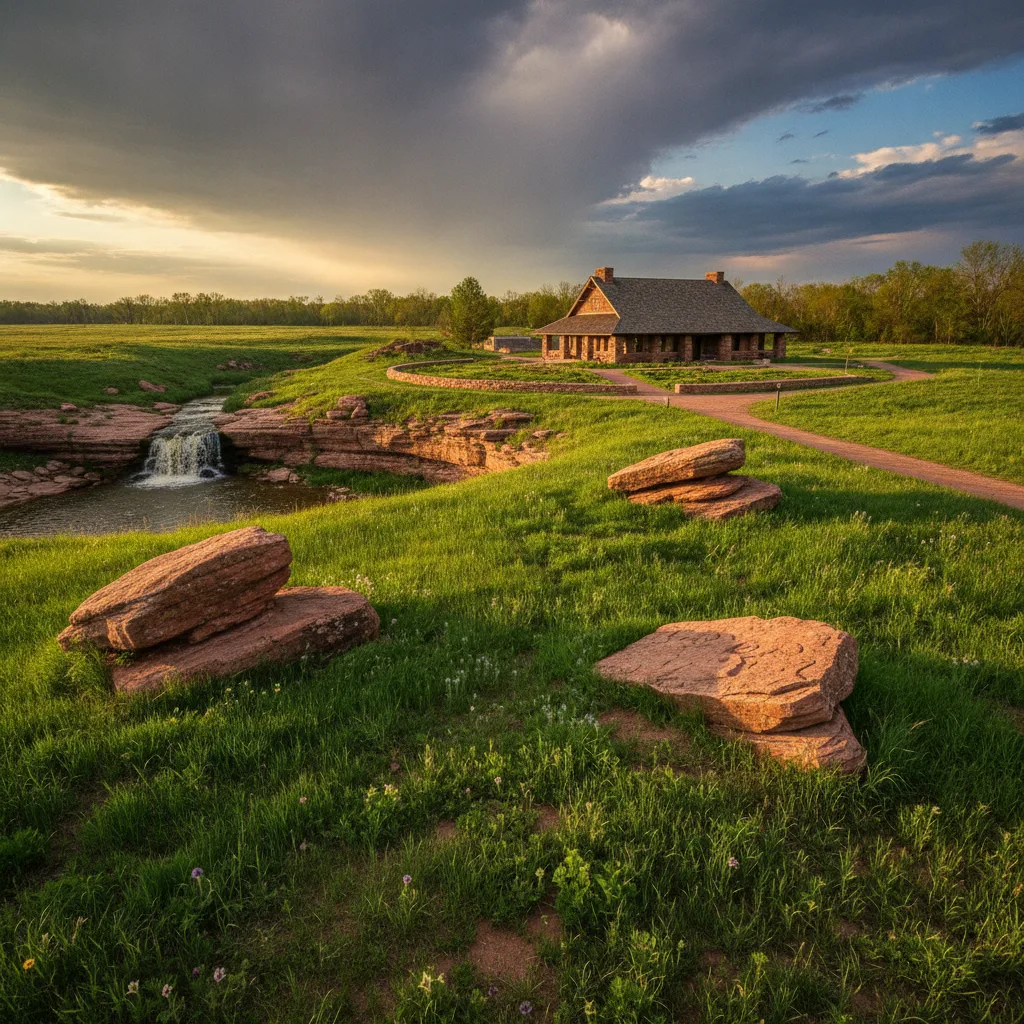
Pipestone National Monument Minnesota is far more than just a scenic stop; it's a living testament to centuries of Native American tradition and spirituality. For thousands of years, Indigenous people have journeyed to these quarries to extract the soft, red catlinite, or pipestone, a material revered for its use in crafting sacred ceremonial pipes. The monument preserves not only these historic quarrying sites but also a vibrant tallgrass prairie ecosystem and the beautiful Winnewissa Falls. Our team believes that experiencing Pipestone offers a unique opportunity to understand and respect a deeply rooted cultural heritage that continues to this day. It's a place where the land itself tells a story of prayer, tradition, and enduring spiritual connection.
Who It's Best For
Pipestone National Monument is ideal for travelers seeking a meaningful cultural experience, history enthusiasts, and nature lovers. Families with children will find the accessible trails and Junior Ranger program engaging, making it a great destination for visiting Minnesota with kids. Its relatively compact size and easy-to-navigate pathways also make it suitable for visitors with limited mobility. Those interested in geology will appreciate the exposed Sioux Quartzite cliffs and the unique catlinite layer. Birdwatchers and photographers will find ample opportunities to capture the beauty of the tallgrass prairie and its resident wildlife. Ultimately, anyone looking for an authentic and respectful encounter with Native American history and a tranquil natural setting will find Pipestone National Monument deeply rewarding.
Getting There & Parking
Understanding how to get to Pipestone National Monument is straightforward, as it's well-connected by major highways in southwestern Minnesota. The monument is located just north of the city of Pipestone. If you're coming from I-90, you can take either US Highway 75 or Minnesota Highway 23 north for approximately 25-30 miles to reach Pipestone. From I-29, take the exit for South Dakota Highway 34 (which becomes Minnesota Highway 30) or the Brookings, SD exit, then head east on Highway 14 to Lake Benton, and south on US Highway 75. Once you reach the city of Pipestone, clear road signs will guide you to the monument entrance.
For parking at Pipestone National Monument, you'll be pleased to know that there is ample space available for cars, buses, and RVs. The visitor center is located about half a mile from the park entrance, and parking is conveniently situated nearby. As of 2026, parking at Pipestone National Monument is free, along with admission and all visitor services.
Top Things to Do
There are many things to do at Pipestone National Monument that offer a rich blend of cultural immersion and natural exploration. Our team highly recommends starting your visit at the Visitor Center. Here, you can watch a 22-minute orientation film titled "Pipestone: An Unbroken Legacy," which provides essential context about the monument's spiritual significance and the quarrying tradition. The museum exhibits also delve into the history and culture of the Native American people who have quarried here for millennia.
One of the most powerful things to do in Pipestone National Monument is to witness a live pipestone carving demonstration. From May through October (and sometimes April through November), American Indian artisans demonstrate the intricate process of shaping the sacred stone, offering a unique opportunity to learn directly from those who carry on this ancient tradition. These demonstrations are a highlight for many visitors, providing insight into the skill and reverence involved.
The 0.75-mile (3/4-mile) paved Circle Trail is another must-do activity. This accessible loop trail begins and ends at the Visitor Center and meanders through the tallgrass prairie, past active pipestone quarries, historical markers, the "Oracle" outcrop, and the picturesque Winnewissa Falls. Along the trail, you'll also encounter the "Three Maidens," a group of glacial erratic boulders with spiritual significance. Allow about 45 minutes to an hour to fully experience the Circle Trail, especially if you utilize a trail guide and stop to read the interpretive signs. For those seeking a slightly longer walk, the South Quarry Trail is a 0.5-mile path that provides additional views of the quarries.
Other activities include exploring the Three Maidens picnic area near the entrance road, and participating in organized interpretive programs and guided walks offered during the summer. The monument also offers a Junior Ranger Program for kids and a B.A.R.K. Ranger program for pets, making it a welcoming spot for all members of the family.
Best Time to Visit
The best time to visit Pipestone National Monument largely depends on your priorities. For the most comprehensive experience, including pipestone carving demonstrations, we recommend visiting between May and October. During these months, the weather is generally pleasant, and the tallgrass prairie is in full bloom, offering beautiful scenery for hiking the Circle Trail. Summer (June-August) brings the warmest temperatures and the most active programming, including cultural demonstrations and guided tours. However, summer can also mean warmer temperatures on the paved trail, so be prepared with water and sun protection.
Spring (April-May) and Fall (September-October) offer cooler temperatures and fewer crowds, making for a very comfortable visit. The fall foliage in the surrounding area can also be quite beautiful. While the Visitor Center has reduced hours in the off-season (November-April, typically closed Sundays and Mondays), the grounds and trails remain open 24/7 year-round. If you're interested in winter activities, the monument offers free adult and youth snowshoe rentals to use along the Circle Trail when weather permits.
Where to Stay Nearby
While there is no camping allowed within Pipestone National Monument itself (except for specific Native American religious ceremonies), the nearby city of Pipestone, Minnesota, offers several accommodation options. Our team recommends checking out the GrandStay Hotel & Suites Pipestone or the OYO Hotel Pipestone MN, Canterbury Park for comfortable stays. These hotels are conveniently located near the monument and provide a good base for exploring the area. You can find a range of hotels available in Pipestone, with options to suit different budgets.
For those interested in camping, Split Rock Creek State Park, located about seven miles southwest of Pipestone, offers 35 campsites, some with electric hookups. This state park also provides additional recreational activities like swimming, fishing, kayaking, and a playground.
When it comes to dining, there are no restaurants directly within Pipestone National Monument, but the city of Pipestone has several choices. You can find American cuisine at places like Stonehouse & Quarry Lounge or family-friendly options like Pizza Ranch. For Mexican food, Los Tulipanes Mexican Restaurant is a popular choice. Other nearby towns like Luverne, MN, and Brookings, SD, also offer additional dining and lodging choices.
Sample 2-Day Itinerary
Our team has crafted a sample 2-day itinerary to help you make the most of your visit to Pipestone National Monument Minnesota and the surrounding area:
Day 1: Immersion at Pipestone National Monument
- **Morning (9:00 AM - 12:00 PM): Visitor Center & Cultural Insight.** Arrive at Pipestone National Monument. Head straight to the Visitor Center. Watch the 22-minute orientation film and explore the museum exhibits to gain a foundational understanding of the site's significance. Afterwards, spend time at the demonstration area to observe and engage with a Native American pipestone carver. These demonstrations are typically available from May through October (and sometimes April through November). This is a core part of experiencing the "things to do at Pipestone National Monument."
- **Lunch (12:00 PM - 1:00 PM): Local Flavors.** Enjoy lunch at a local restaurant in the city of Pipestone, such as Stonehouse & Quarry Lounge or Los Tulipanes Mexican Restaurant.
- **Afternoon (1:00 PM - 4:00 PM): Circle Trail & Natural Beauty.** Embark on a leisurely walk along the 0.75-mile (3/4-mile) paved Circle Trail. Take your time to appreciate the active quarries, the tallgrass prairie, the petroglyphs, the "Oracle," and the serene Winnewissa Falls. Consider taking the short spur trail to Nicollet's Inscription.
- **Late Afternoon (4:00 PM - 5:00 PM): Three Maidens & Reflection.** Drive or walk to the Three Maidens picnic area, located along the entrance road. These glacial boulders hold significant spiritual meaning. It's a peaceful spot for reflection.
- **Evening: Relax & Dine.** Check into your accommodation in Pipestone. Enjoy dinner and relax after a day of exploration.
Day 2: Exploring Pipestone & Beyond
- **Morning (9:00 AM - 12:00 PM): Pipestone History & Local Culture.** Visit the Pipestone County Museum and Historical Society to delve deeper into the region's history, including Native American life and European settlement. Afterwards, explore Pipestone's Historic Walking District, admiring the distinctive Sioux quartzite buildings and learning about the city's past. You could also visit the Keepers of the Sacred Tradition of Pipemakers, a non-profit organization that sells Native American arts and crafts and offers guided tours.
- **Lunch (12:00 PM - 1:00 PM): Casual Bite.** Grab a quick and easy lunch in Pipestone.
- **Afternoon (1:00 PM - 5:00 PM): Minnesota's Natural Wonders.** Depending on your interest, venture out to explore more of Minnesota. Consider a visit to Boundary Waters Canoe Area Wilderness for pristine wilderness, or Voyageurs National Park for stunning lake country. Alternatively, for a closer natural escape, Split Rock Creek State Park is just a short drive away and offers hiking, fishing, and a swimming beach. This helps round out your "Pipestone National Monument travel guide" experience by showcasing nearby attractions.
- **Late Afternoon/Evening: Departure or Extended Stay.** Head home or consider extending your trip to explore other Minnesota gems like the Mall of America, Itasca State Park, or the North Shore and Split Rock Lighthouse. For more ideas across the state, see our guide to Best places in Minnesota.
Last updated: 2026-07-05 by the Visit America team.