Our Rocky Mountain Front guide covers practical planning for Rocky Mountain Front Montana — best time to visit, getting there, and what to do on the ground.
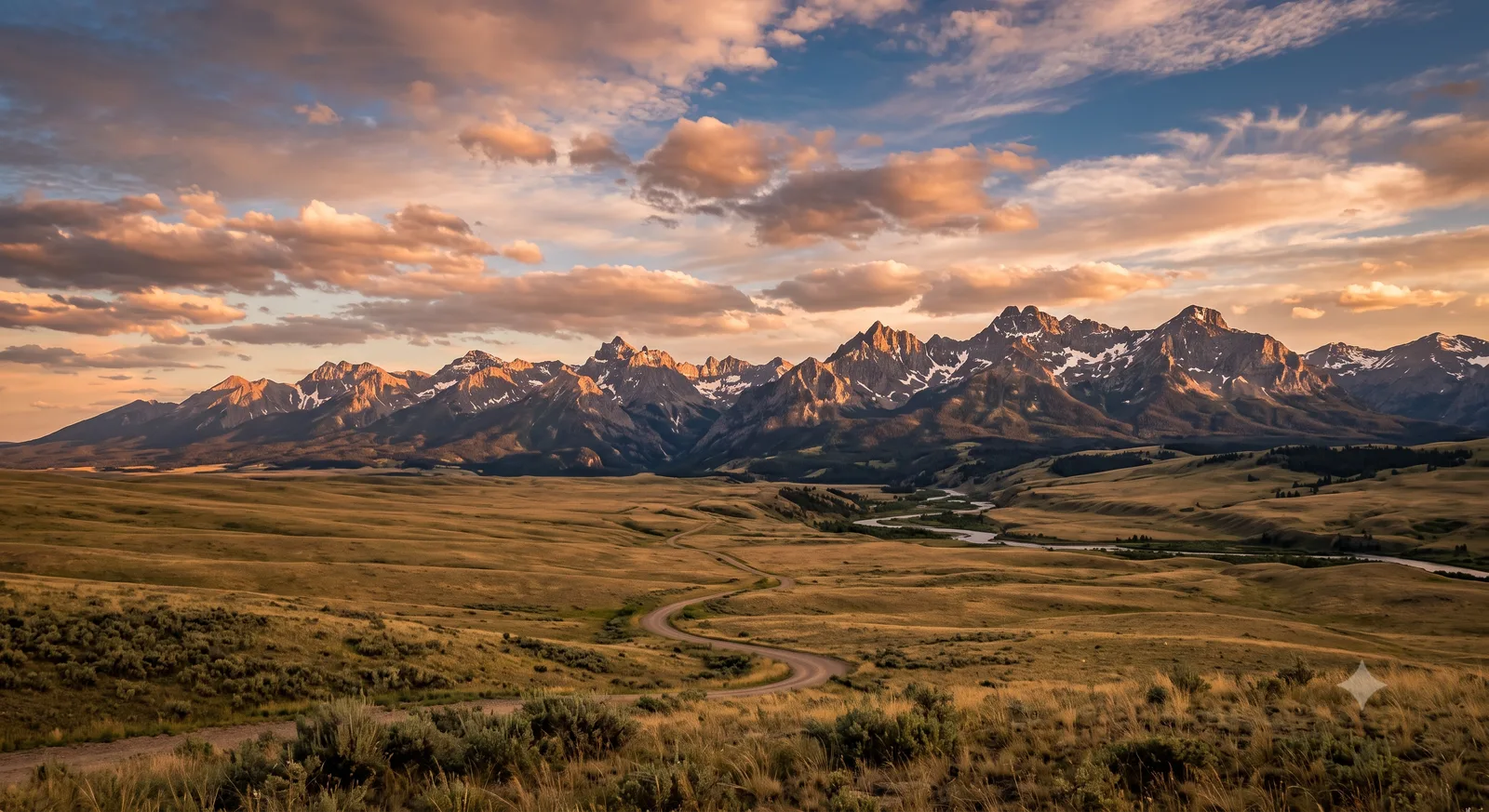
The Rocky Mountain Front in Montana is where the vast Great Plains dramatically collide with the rugged peaks of the Rocky Mountains. This unique geological transition zone offers a landscape unlike anywhere else in the United States, characterized by its dramatic, uplifted peaks, expansive prairies, diverse wildlife, and strong, persistent winds. For those seeking unparalleled opportunities for hiking, backcountry exploration, and an authentic Montana experience, the Rocky Mountain Front Montana is an essential destination. Our team has explored this remarkable region extensively, and we’re here to share our insights for planning your own unforgettable adventure.
Why Visit Rocky Mountain Front
The allure of the Rocky Mountain Front lies in its raw, untamed beauty and the sheer scale of its natural wonders. It’s a place where you can truly feel the immense power of geological forces that shaped the continent. The sudden rise of the mountains from the plains creates breathtaking vistas, making it a photographer's paradise and an adventurer's dream. Beyond the scenery, the Front is a critical wildlife corridor, home to an incredible array of species. You might spot grizzly bears, black bears, wolves, elk, moose, bighorn sheep, and a variety of raptors. This is not a manicured park experience; it’s a wild landscape that demands respect and offers immense rewards for those willing to venture into its heart. We believe it offers a more authentic, less crowded alternative to some of Montana's more famous national parks, while still delivering an equally profound connection to nature.
Who It's Best For
The Rocky Mountain Front is ideal for experienced hikers, backpackers, and anyone with a deep appreciation for wilderness and solitude. It appeals to those who prefer self-guided adventures over organized tours and are comfortable navigating rugged terrain. Wildlife enthusiasts will find it particularly rewarding due to the high probability of spotting large mammals in their natural habitat. Families with older children who are accustomed to outdoor activities and longer hikes will also find plenty to explore. However, it's less suited for travelers seeking luxury accommodations, paved trails, or extensive visitor services. If you're looking for a challenging yet incredibly rewarding outdoor experience away from the crowds, the Rocky Mountain Front is undoubtedly for you.
Getting There & Parking
Accessing the Rocky Mountain Front Montana typically involves driving, as public transportation options are extremely limited. The region is generally defined by the area stretching from just south of Glacier National Park down to around Lincoln, Montana. The primary gateway towns are Choteau and Augusta, both situated along U.S. Highway 287. These towns offer basic services, including gas, groceries, and some lodging. The nearest major airports are Great Falls International Airport (GTF), approximately an hour's drive east of Choteau, and Missoula International Airport (MSO), roughly a two-hour drive from the southern end of the Front.
From Choteau, you can head west on various roads that lead into the Front, such as Benchmark Road or the Teton Canyon Road. Near Augusta, the Sun River Canyon area provides excellent access points. Many roads leading into the backcountry are gravel and can be rough, so a high-clearance vehicle is often recommended, especially if you plan to explore deeper into the wilderness areas. Road conditions can vary significantly depending on recent weather, so we always advise checking with the local Forest Service or Bureau of Land Management offices for current updates before you go. For example, the Benchmark Road, a popular access point, can be subject to seasonal closures.
Parking at trailheads and access points along the Rocky Mountain Front is generally free, though some specific areas within designated wilderness or recreation sites might have minimal day-use fees. For 2026, we've verified that most public access points do not require a fee for parking. However, always look for signage at trailheads, as regulations can change. Given the remote nature of many trailheads, parking lots are typically unpaved and can fill up during peak season weekends, particularly for popular Rocky Mountain Front hiking trails. We recommend arriving early, especially if you're planning a longer hike or backpacking trip, to secure a spot. Remember to practice Leave No Trace principles, especially regarding vehicle parking and waste disposal, to preserve this pristine environment.
Top Things to Do
The Rocky Mountain Front offers a wealth of activities for the intrepid traveler, focusing primarily on outdoor adventure and wildlife viewing. When considering things to do at Rocky Mountain Front, prepare for experiences that connect you deeply with nature.
- Hiking and Backpacking: This is arguably the premier activity here. With countless trails leading into the Bob Marshall Wilderness Complex, Scapegoat Wilderness, and various National Forest lands, opportunities abound for all skill levels. From day hikes to multi-day backcountry excursions, the rugged terrain and stunning vistas are a constant reward.
- Wildlife Viewing: The Front is a critical habitat for large mammals. Drive or hike slowly and keep an eye out for grizzly bears, black bears, elk, deer, bighorn sheep, and even wolves. Dawn and dusk are often the best times for wildlife spotting. Remember to carry bear spray and know how to use it.
- Fishing: The rivers and streams flowing from the Front, such as the Sun River and Teton River, offer excellent fly-fishing opportunities for trout. Check local regulations for licenses and catch limits.
- Scenic Drives: While many roads are unpaved, driving along the Front offers incredible views. The drive along Highway 287 itself provides panoramic glimpses of the mountains rising from the plains. Exploring roads like the Sun River Canyon Road or parts of Benchmark Road can lead to stunning overlooks and trailheads.
- Photography: The dramatic landscapes, abundant wildlife, and ever-changing light conditions make the Rocky Mountain Front a dream for photographers. Capture the scale of the mountains, the detail of wildflowers, or the majesty of a passing elk herd.
When planning things to do at Rocky Mountain Front, always prioritize safety. Weather can change rapidly, and cell service is often nonexistent. Inform someone of your plans, carry appropriate gear, and be prepared for self-reliance.
Best Time to Visit
The best time to visit the Rocky Mountain Front is generally from late spring through early fall (May through October). Each season offers a distinct experience:
- Late Spring (May-June): This is a beautiful time as wildflowers begin to bloom, and the landscape turns vibrant green. Rivers are often high with snowmelt, and wildlife is active. However, some higher elevation trails may still have snow, and mud can be an issue on unpaved roads. Temperatures are mild, but be prepared for occasional rain.
- Summer (July-August): Summer offers the most reliable weather for hiking and backpacking, with warmer temperatures and generally clear skies. All roads and trails are typically open. This is also peak season, so popular trailheads might see more visitors, though the Front generally remains far less crowded than major national parks. Wildlife viewing is excellent, especially in the early mornings and late evenings.
- Early Fall (September-October): Many consider this the prime season. The crowds thin out, the air is crisp, and the larch trees begin to turn golden in the higher elevations, creating stunning photographic opportunities. Wildlife, particularly elk, are very active during the rut. Days are still pleasant, but nights can be cold, and early snowfalls are possible, especially later in October.
Winter (November-April) transforms the Front into a stark, beautiful, and often inaccessible landscape. Many roads close due to snow, and extreme cold and heavy snowfall make most recreational activities challenging and suitable only for experienced winter adventurers. For most visitors, we recommend sticking to the warmer months to fully enjoy the Rocky Mountain Front.
Where to Stay Nearby
When planning your trip to the Rocky Mountain Front, you'll find that lodging options are more rustic and less abundant than in highly developed tourist areas. This is part of its charm, offering an authentic Montana experience. For Rocky Mountain Front lodging, your best bets are the gateway towns or dispersed camping.
- Choteau, Montana: As one of the main entry points, Choteau offers a few motels, guesthouses, and a small selection of restaurants. It's a good base for exploring the northern and central parts of the Front. For 2026, options like the Stage Stop Inn and the Gunther Teton Ranch are popular choices, offering comfortable, no-frills accommodations.
- Augusta, Montana: Situated further south, Augusta provides even more limited lodging, often in the form of small inns or cabins. It's a great base for accessing the Sun River Canyon area and the southern reaches of the Bob Marshall Wilderness Complex.
- Guest Ranches and Cabins: Scattered throughout the broader region are various guest ranches and private cabin rentals, which can offer a more immersive experience. These often require advance booking.
- Camping: For those seeking to truly immerse themselves, camping is a fantastic option. There are several developed campgrounds within the Lewis and Clark National Forest, such as Benchmark Campground and the campgrounds along the Sun River. Additionally, dispersed camping is permitted in many areas on National Forest and BLM lands, subject to local regulations. We discuss Rocky Mountain Front camping in more detail below.
Given the limited Rocky Mountain Front lodging, especially during peak season, we highly recommend booking your accommodations well in advance, particularly if you're not planning to camp. For a wider range of services and amenities, you might consider staying in Great Falls, though this will add an hour or more of driving to your daily excursions into the Front.
Sample 2-Day Itinerary
This itinerary focuses on a northern Rocky Mountain Front experience, based out of Choteau.
Day 1: Exploring the Teton Canyon and Old North Trail
- Morning: Start your day early from Choteau. Head west on Teton Canyon Road (County Road 221) towards the mountains. This scenic drive offers immediate views of the Front.
- Late Morning/Afternoon: Hike a section of the Old North Trail. This ancient trail, used by indigenous peoples for millennia, offers relatively gentle grades and stunning views of the plains meeting the mountains. Consider a hike to the Teton River Canyon overlook or a longer trek into the wilderness boundary, depending on your fitness level. Pack a picnic lunch to enjoy on the trail.
- Late Afternoon: Return to Choteau. Visit the Old Trail Museum in Choteau to learn about the area's rich paleontological and cultural history.
- Evening: Enjoy dinner at a local establishment in Choteau.
Day 2: Sun River Canyon and Wildlife Spotting
- Morning: Drive south from Choteau towards Augusta, then head west into the Sun River Canyon. This area is known for its dramatic cliffs and excellent wildlife viewing opportunities.
- Late Morning/Afternoon: Embark on a hike along the Sun River. Trails here range from easy riverside walks to more strenuous climbs offering panoramic views of the canyon and surrounding peaks. Keep an eye out for bighorn sheep on the cliffs and elk in the meadows. Consider a visit to the Gibson Dam area for impressive engineering amidst stunning natural beauty.
- Late Afternoon: Enjoy a leisurely drive back, stopping at various pull-outs for additional wildlife viewing or photography.
- Evening: If you're camping, enjoy a campfire under the vast Montana sky. Otherwise, return to your lodging in Choteau or Augusta.
This itinerary provides a taste of the Rocky Mountain Front. For those with more time, consider a multi-day backpacking trip into the Bob Marshall Wilderness or exploring other access points further south.
Rocky Mountain Front Hiking Trails
The Rocky Mountain Front is a hiker's paradise, offering an incredible diversity of trails that cater to various skill levels, from easy strolls to challenging multi-day backcountry expeditions. When seeking Rocky Mountain Front hiking trails, you're looking at access points to some of the most pristine wilderness in the lower 48 states.
Many of the most rewarding Rocky Mountain Front hiking trails lead into the vast Bob Marshall Wilderness Complex, which includes the Bob Marshall, Scapegoat, and Great Bear Wilderness areas. These trails are generally unmaintained to preserve their wilderness character, so expect natural obstacles and rely on good navigational skills. Popular access points include:
- Benchmark Trailhead: Located west of Augusta, this is a primary gateway into the Bob Marshall Wilderness. Trails from here lead to areas like the Chinese Wall, a famous geological feature, and offer access to numerous high alpine lakes and peaks. Hikes here can range from moderate day hikes to strenuous multi-day backpacking trips. For example, the trail to the Chinese Wall is a multi-day journey, often requiring 3-5 days round trip.
- Sun River Canyon Trails: West of Augusta, the Sun River Canyon offers a mix of trails. The West Fork Sun River Trail is a popular option, providing access to scenic river valleys and eventually connecting to the wilderness areas. Shorter, less strenuous trails along the river are also available for those seeking a more relaxed experience.
- Teton Canyon Trails: Accessed west of Choteau, trails in the Teton Canyon area provide stunning views of the Front's dramatic eastern face. The Old North Trail, as mentioned, is a great option for a day hike, offering historical significance and panoramic vistas. Other trails delve deeper into the Teton Wilderness Study Area.
- Lewis and Clark National Forest Trails: Beyond the designated wilderness areas, the surrounding National Forest lands offer a plethora of trails, many of which are less trafficked. These often provide excellent opportunities for wildlife viewing and solitude.
Before embarking on any of the Rocky Mountain Front hiking trails, we strongly advise consulting detailed topographic maps (like those from the USGS or Forest Service), carrying a compass or GPS device, and informing someone of your itinerary. Bear activity is common, so always carry bear spray and know how to use it. Water sources can be scarce in some areas, so plan to carry sufficient water or a reliable filtration system. Permits are generally not required for day hiking, but specific regulations apply for overnight camping within wilderness areas, and it's always best to check with the local ranger district for 2026 regulations.
Is It Worth Visiting?
Absolutely. For those who crave genuine wilderness, dramatic landscapes, and unparalleled wildlife viewing opportunities away from the crowds, the Rocky Mountain Front is unequivocally worth visiting. It offers a profound sense of solitude and connection to nature that is increasingly rare.
However, it's important to set expectations. This is not a destination for resort-style comfort or easily accessible, paved attractions. The Rocky Mountain Front demands a certain level of self-reliance, preparedness, and a willingness to embrace the wild. If your idea of a perfect trip involves well-marked trails, gift shops, and gourmet dining, then perhaps Glacier National Park or Yellowstone National Park (North) might be a better fit for you. But if you're an experienced outdoor enthusiast, a backpacker, a serious photographer, or someone simply seeking to experience Montana's rugged heart, then the rewards of the Rocky Mountain Front Montana are immense. We believe the dramatic scenery, the abundant wildlife, and the sheer sense of scale make it an unforgettable destination that stands out even in a state as beautiful as Montana.
Last updated: 2026-07-06 by the Roam States team.