Portage Pass Trail Travel Guide — Alaska
Our Portage Pass Trail guide covers practical planning for Portage Pass Trail Alaska — best time to visit, getting there, and what to do on the ground.
As the Roam States editorial team, we've explored countless trails across the United States, and few offer the sheer dramatic beauty and accessibility of the Portage Pass Trail in Alaska. This scenic hiking trail leads to stunning views of Portage Glacier and the surrounding mountains, accessible for day hikes in 2026, offering rewarding vistas. We consider it an essential Alaskan experience, providing an unparalleled opportunity to witness a retreating glacier up close and immerse yourself in the raw grandeur of the Chugach National Forest. The journey itself, passing through the unique Anton Anderson Memorial Tunnel, adds an adventurous prelude to an already spectacular hike.
Why Visit Portage Pass Trail
The question of "is Portage Pass Trail worth visiting" is one we answer with an emphatic yes. This trail offers a unique blend of accessibility and breathtaking Alaskan wilderness that is hard to match. It's the only easy way to see Portage Glacier on foot, providing an intimate perspective of this massive sheet of ice that has receded significantly over the past century.
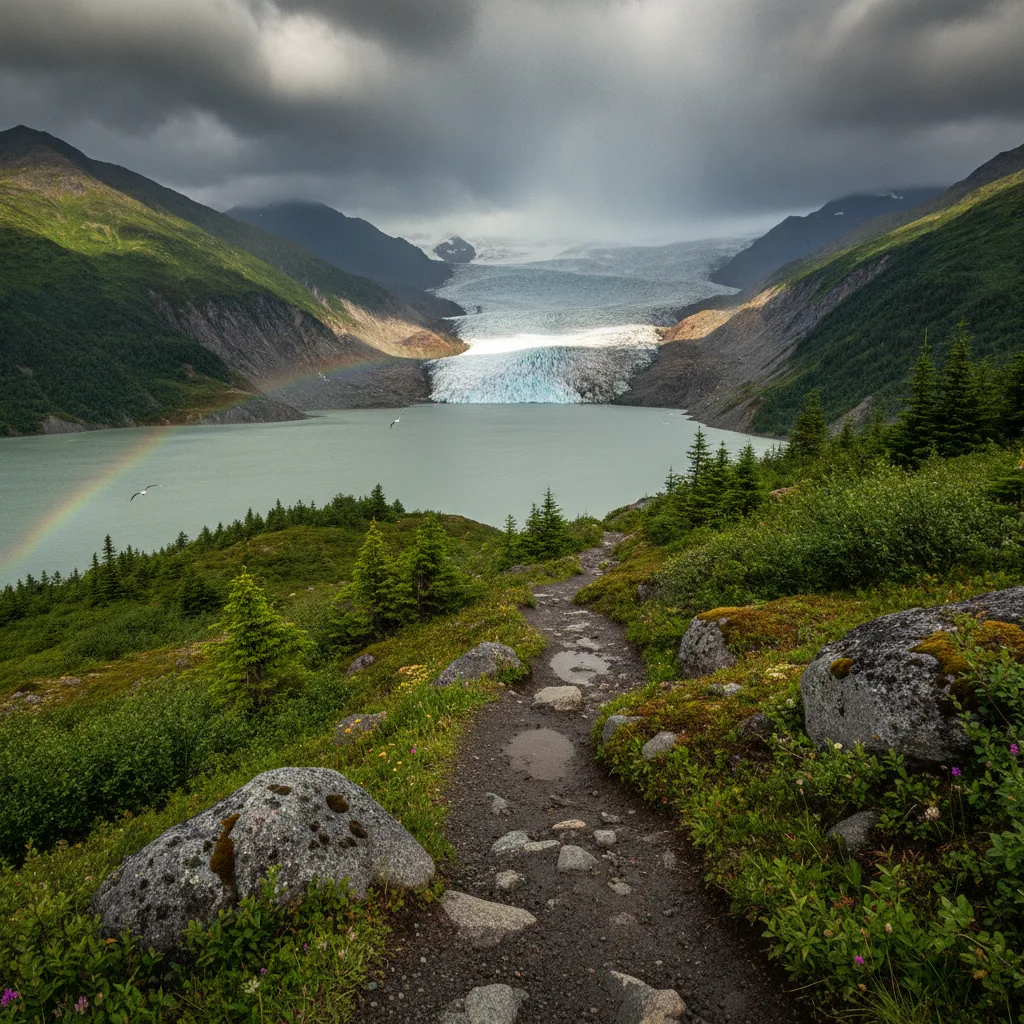
From the moment you crest Portage Pass, you're greeted with a panoramic spectacle: the shimmering expanse of Portage Lake, often dotted with icebergs, framed by towering, snow-girted mountains, and, of course, the majestic Portage Glacier itself. Beyond the glacier, you'll also enjoy stunning views of Passage Canal and the unique town of Whittier. We believe the rewarding vistas and the sense of accomplishment from traversing this historic route make it an unforgettable experience for any traveler to Alaska.
Who It's Best For
The Portage Pass Trail is remarkably versatile, making it suitable for a wide range of visitors. Families with children and even dogs will find much of the trail manageable, especially the initial climb to the pass. While the trail has some steep and rocky sections, particularly at the beginning, its moderate difficulty means that less experienced hikers can still enjoy the journey and its incredible rewards.
Avid hikers will appreciate the challenge of the full 4-mile round trip to the shores of Portage Lake, while those seeking a shorter outing can hike to the pass for equally spectacular views before turning back. Birdwatchers will be delighted by the diverse avian species that call this area home, and nature photographers will find endless opportunities for stunning shots of glaciers, mountains, and wildflowers. Essentially, if you're seeking a dramatic, accessible, and deeply rewarding outdoor experience in Alaska, this trail is for you.
Getting There & Parking
Understanding "how to get to Portage Pass Trail" is crucial for a smooth trip. The trailhead is located on the Whittier side of the Anton Anderson Memorial Tunnel, approximately 60 miles south of Anchorage and 20 miles from Girdwood.
From Anchorage, you'll drive south on the scenic Seward Highway (Highway 1) for about 50 miles. At mile marker 79, follow signs for the Whittier Access Road. The most unique part of the journey is passing through the Anton Anderson Memorial Tunnel, North America's longest highway tunnel, which stretches 2.5 miles and accommodates both cars and trains. The tunnel operates on a strict one-way schedule, alternating traffic directions every half-hour. It's imperative to check the Whittier Tunnel schedule online before your visit to plan your journey and avoid long waits.
Once you exit the tunnel on the Whittier side, take the first right past the railroad tracks onto a gravel road marked "Forest Access." This road meanders for about a mile to the trailhead. Regarding "Portage Pass Trail parking," there is a dedicated parking lot at the trailhead. However, it can fill up quickly during peak season, so we recommend arriving early to secure a spot. While the final stretch of road to the trailhead can be rough and potholed, it's generally passable for most passenger vehicles with decent ground clearance, provided you drive carefully. There are bathroom facilities only at the head of the trail, so plan accordingly.
Top Things to Do
The Portage Pass Trail offers a wealth of "things to do at Portage Pass Trail," primarily focused on hiking and immersing yourself in the glacial landscape. The main draw is, of course, the hike itself, which can be tailored to various fitness levels. The initial 0.8 to 1.5 miles to the top of Portage Pass involves a steep climb with an elevation gain of 700 to 800 feet, rewarding you with your first spectacular views of Portage Glacier and Passage Canal.
Many hikers choose to make the pass their turnaround point, enjoying a shorter, yet incredibly scenic, round trip. However, we highly recommend continuing past the pass for another 0.75 to 1.5 miles down to the gravel shores of Portage Lake. Here, you'll be directly across from the snout of Portage Glacier, where you can settle on the gravel beach, listen to the water lapping, and perhaps even hear the glacier creaking or calving (breaking off) chunks of ice into the lake. This is one of the most rewarding "things to do at Portage Pass Trail" and offers fantastic photographic opportunities.
Along the way, keep an eye out for Divide Lake, about a mile into the trail, which makes for a good picnic spot. The trail itself winds through low shrubs, alder trees, and eventually open tundra, adorned with glacier scrub and vibrant wildflowers in summer. Wildlife viewing is also a highlight, with opportunities to spot mountain goats, various bird species, and even bears (always practice bear-aware precautions).
Beyond the trail itself, the nearby Portage Valley offers additional activities. You can visit the Begich, Boggs Visitor Center to learn more about the Chugach National Forest, its glaciers, and wildlife. For a different perspective of Portage Glacier, consider taking a boat tour on Portage Lake aboard the M/V Ptarmigan, which operates daily from mid-May through mid-September. These one-hour narrated cruises get you within 300 yards of the glacier's face, offering stunning views and a chance to witness calving. While the Portage Pass Trail hiking trails offer a land-based view, the boat tour provides a unique close-up experience.
Best Time to Visit
The best time to experience the Portage Pass Trail is typically from May to September. During these warmer months, the weather is generally more favorable, and the trail is largely free of ice and snow, making it more accessible and safer for hiking. June through September is often cited as ideal, with early August offering perfect conditions, sunny skies, and vibrant wildflowers.
However, Alaska's weather is famously unpredictable, so we always advise being prepared for sudden changes, including rain, wind, and temperature drops, even in summer. Packing layers, waterproof gear, and sturdy hiking boots is essential. Early mornings or late afternoons are often recommended for softer light for photography and fewer crowds, offering a more serene hiking experience.
While the trail can be accessed in winter for snowshoeing, the road to the trailhead is not maintained and will likely be covered in snow, requiring specialized gear and experience.
Where to Stay Nearby
When considering "Portage Pass Trail lodging," options are primarily found in the nearby communities of Whittier, Girdwood, and slightly further afield, Anchorage. Whittier, being the closest town and the access point through the tunnel, offers a unique experience. While a small community, it has hotels like the Inn at Whittier and Glacier View Condo Suites.
Girdwood, about 20 miles from the Portage Valley turnoff, is another excellent choice for Portage Pass Trail lodging. It's a charming town known for its outdoor activities and features the luxurious Alyeska Resort, offering ski-in/ski-out access in winter and extensive hiking trails in summer. Other options include Carriage House Accommodations. Girdwood provides a wider range of dining and amenity options than Whittier and is a popular base for exploring the Chugach National Forest. For those seeking more extensive amenities and a larger selection of accommodations, Anchorage, about an hour's drive north, offers everything from budget-friendly motels to upscale hotels.
Camping is also an option in Portage Valley, with several campgrounds available. We recommend checking with the Chugach National Forest for specific camping regulations and availability for 2026. Regardless of where you choose to stay, booking accommodations in advance, especially during peak summer months, is highly advisable.
Sample 2-Day Itinerary
To help you make the most of your visit to the Portage Pass Trail Alaska, we've crafted a sample two-day itinerary:
Day 1: Arrival & Portage Pass Trail Hike
- **Morning (8:00 AM):** Depart from Anchorage, driving south on the scenic Seward Highway. Stop at various viewpoints along Turnagain Arm for photo opportunities.
- **Late Morning (9:30 AM - 10:00 AM):** Arrive at the Whittier Tunnel. Ensure you've checked the tunnel schedule in advance to minimize wait times. Pay the approximate $13 per car toll to enter Whittier.
- **Morning (10:00 AM - 10:30 AM):** Drive through the tunnel and take the first right onto the gravel road to the Portage Pass Trailhead. Park your vehicle.
- **Late Morning/Afternoon (10:30 AM - 3:00 PM):** Embark on the Portage Pass Trail hike. Allow 2.5 to 5 hours for the round trip, depending on your pace and how long you spend at Portage Lake. Enjoy the stunning views from the pass and the unique experience of reaching the glacial lake. Remember to pack water, snacks, and bear spray.
- **Late Afternoon (3:00 PM - 5:00 PM):** Return to Whittier. Explore the unique town, perhaps grab a casual meal, or simply enjoy the harbor views.
- **Evening (5:00 PM):** Check into your Portage Pass Trail lodging in Whittier or Girdwood. Enjoy dinner at a local restaurant.
Day 2: Portage Valley Exploration & Departure
- **Morning (9:00 AM - 11:00 AM):** Head to the Begich, Boggs Visitor Center in Portage Valley (accessible without going back through the Whittier Tunnel). Learn about the region's glacial history, wildlife, and geology through interactive exhibits and films.
- **Late Morning (11:00 AM - 12:00 PM):** Take a short, easy walk on the Byron Glacier Trail, which leads to views of Byron Glacier. This family-friendly trail is less than a mile one-way.
- **Lunch (12:00 PM - 1:00 PM):** Enjoy a picnic lunch in Portage Valley or grab a bite at a local cafe.
- **Afternoon (1:00 PM - 2:00 PM):** Consider a Portage Glacier Cruise on the M/V Ptarmigan for an up-close perspective of the glacier from the water. Cruises typically last one hour and operate multiple times daily from mid-May to mid-September.
- **Late Afternoon (2:00 PM - 4:00 PM):** Visit the Alaska Wildlife Conservation Center, located a few miles north on the Seward Highway, to see rescued Alaskan animals like bears, moose, and musk oxen.
- **Evening (4:00 PM):** Begin your drive back to Anchorage or continue your Alaskan adventure to destinations like Denali National Park & Preserve or Kenai Fjords National Park. For more ideas on where to go in the state, consult our guide to the Best Places in Alaska.
Expert Verdict
Our team at Roam States confidently asserts that the Portage Pass Trail is a quintessential Alaskan hiking experience. It delivers extraordinary glacier views with a relatively moderate effort, making it accessible to a broad audience. The journey through the Whittier Tunnel adds an element of adventure, and the reward of standing on the shores of Portage Lake, gazing at the active glacier, is truly unforgettable. We encourage all travelers to include this gem in their Alaskan itinerary for an authentic and awe-inspiring encounter with the Last Frontier.
FAQs
Portage Pass Trail camping
Camping near Portage Pass Trail is available within the broader Portage Valley area, which is part of the Chugach National Forest. The tranquil shores of Portage Lake itself offer an ideal setting for setting up camp and immersing oneself in the serene wilderness. While specific campgrounds may require reservations, dispersed camping regulations should be checked with the Forest Service. We recommend planning ahead, especially during peak summer months, and always practicing Leave No Trace principles.
things to do in Portage Valley
Beyond the Portage Pass Trail, there are numerous "things to do in Portage Valley." You can visit the Begich, Boggs Visitor Center to learn about the area's geology and wildlife. Take a scenic one-hour boat tour on Portage Lake aboard the M/V Ptarmigan for close-up views of Portage Glacier. Explore other hiking trails like the Byron Glacier Trail or the Trail of Blue Ice, which connects various glaciers and campgrounds. The Alaska Wildlife Conservation Center is also a short drive away, offering opportunities to see Alaskan wildlife up close.
Portage Pass Trail with kids
Hiking Portage Pass Trail with kids is generally a rewarding experience. The trail is considered family-friendly and passable for children, particularly the initial sections to the pass. The total round trip to Portage Lake is about 4-5 miles, with a moderate elevation gain, but many families choose to hike only to Portage Pass for stunning views. Ensure children are wearing sturdy boots, bring plenty of water and snacks, and be prepared for changing weather conditions. The unique tunnel access and the sight of the glacier often captivate younger adventurers.
best hotels near Portage Pass Trail
The "best hotels near Portage Pass Trail" are found in the nearby communities of Whittier and Girdwood. In Whittier, options include the Inn at Whittier and Glacier View Condo Suites. Girdwood offers more upscale choices like the Alyeska Resort, known for its amenities and access to other outdoor activities, as well as Carriage House Accommodations. For a wider selection and full city services, Anchorage is about an hour's drive away. The "best" choice depends on your budget, desired amenities, and how close you wish to stay to the trailhead.
Portage Pass Trail tips
Our top "Portage Pass Trail tips" include: **Check the Whittier Tunnel Schedule:** This is critical, as the tunnel operates on a strict one-way schedule. **Arrive Early:** Parking at the trailhead is limited, especially on sunny summer weekends. **Dress in Layers and Bring Rain Gear:** Alaskan weather is highly unpredictable. **Wear Sturdy Hiking Boots:** The trail can be rocky, steep, and muddy. **Pack Water and Snacks:** There are no services on the trail. **Be Bear Aware:** Carry bear spray and know how to use it. **Consider Bug Spray:** Mosquitoes can be prevalent, especially near the lake. **Allow Ample Time:** The round trip can take 2.5-5 hours. **Don't Rush the Views:** Take time to soak in the panoramas from the pass and the lake shore.
where to stay near Portage Pass Trail
For "where to stay near Portage Pass Trail," your primary options are the towns of Whittier and Girdwood. Whittier, being the closest, offers a unique small-town experience with a few lodging choices. Girdwood, a slightly larger resort town, provides more extensive hotel and dining options, including the Alyeska Resort. Many visitors also choose to stay in Anchorage and make Portage Pass a day trip, as it's approximately an hour's drive away. We recommend booking your accommodations well in advance, particularly if traveling during the peak summer season.
Last updated: 2026-07-05 by the Roam States team.