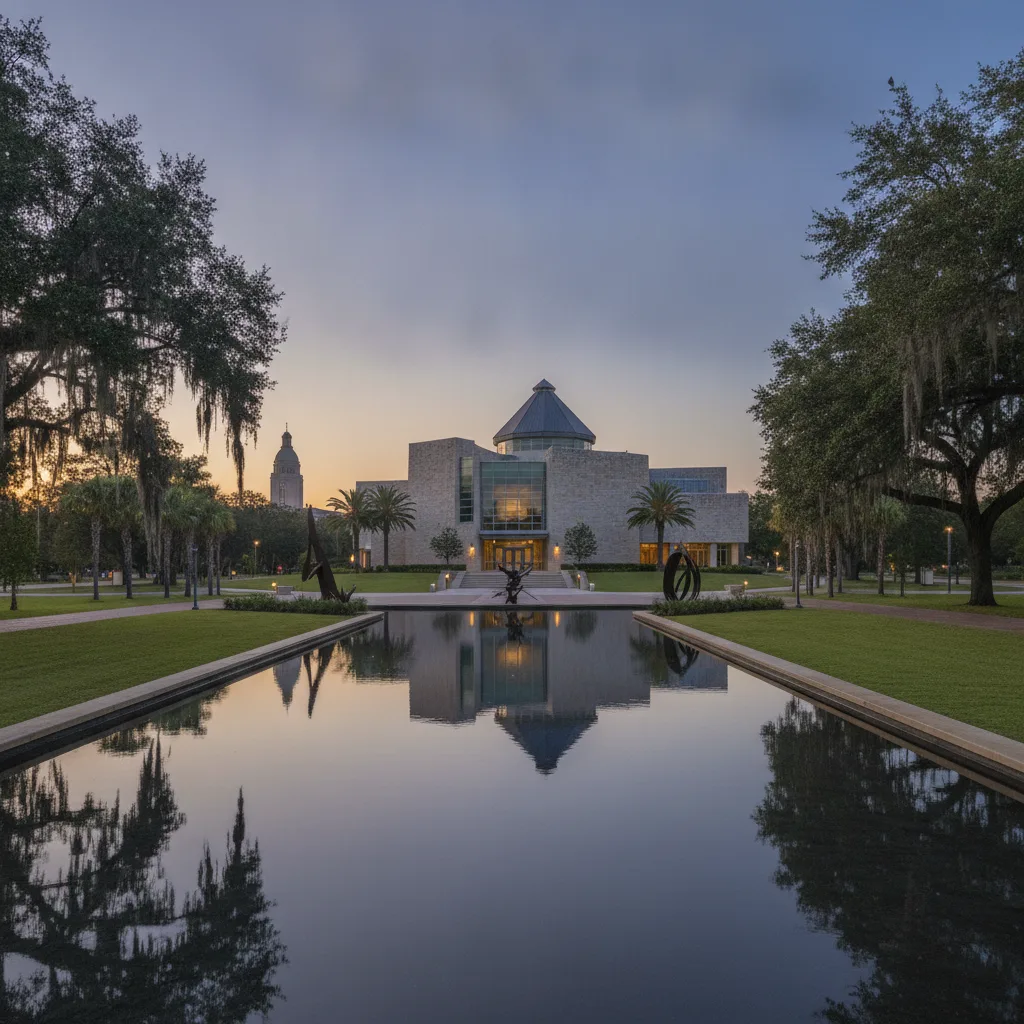
Our Capitol Park Museum guide covers practical planning for Capitol Park Museum Louisiana — best time to visit, getting there, and what to do on the ground. We've compiled essential 2026 facts on hours, fees, parking, and insider tips to ensure your visit to this incredible institution is seamless and enriching. For broader trip planning, explore our Plan Your US Trip guide.
Why Visit Capitol Park Museum
If you're wondering, "is Capitol Park Museum worth visiting?", our team unequivocally says yes. The Capitol Park Museum Louisiana offers an unparalleled journey through the state's vibrant and complex history, industry, and culture. We believe it's an essential stop for anyone seeking to understand the true soul of Louisiana, from its prehistoric roots to its modern-day marvels. This isn't just a collection of artifacts; it's an immersive narrative brought to life through thoughtfully curated exhibits. You'll find everything from ancient Native American earthworks to the dazzling spectacle of Mardi Gras costumes, providing a comprehensive and engaging experience for all ages.
We've found that visitors consistently praise the museum for its extensive and well-done permanent exhibits, which delve into nationally significant aspects of Louisiana's history as well as its unique cultural identity. The museum's ability to weave together diverse cultural influences—French, Spanish, African, and Creole—into a cohesive story truly sets it apart. Whether you're a history buff, a culture enthusiast, or simply curious about what makes Louisiana so distinctive, the Capitol Park Museum is a rewarding destination that will leave you with a deeper appreciation for the Pelican State. It's a crown jewel in the Louisiana State Museum system, providing an ideal starting point before you explore other incredible destinations like the French Quarter or the National WWII Museum in New Orleans.
Who It's Best For
The Capitol Park Museum caters to a wide array of visitors, making it a versatile destination for many types of travelers. Our team believes it's particularly well-suited for families, history enthusiasts, and culture seekers.
- Families with Children: The museum is exceptionally kid-friendly, featuring interactive displays and hands-on activities designed to engage young learners. Children under 12 receive free admission, making it an accessible and educational outing for families. Kids can explore Louisiana's history through exhibits that are both visually and aurally stimulating, ensuring they remain entertained while parents delve into the deeper narratives.
- History Buffs: With two extensive permanent exhibits, "Grounds for Greatness: Louisiana and the Nation" and "Experiencing Louisiana: Discovering the Soul of America," the museum offers a deep dive into the state's past. From the Civil War-era submarine to Jefferson Davis' funeral carriage and the story of Huey P. Long, there are countless artifacts and narratives to captivate those interested in American history.
- Culture Enthusiasts: Louisiana's unique cultural tapestry is vividly displayed here. You'll encounter vibrant Mardi Gras costumes, learn about the evolution of Louisiana music (from jazz and blues to Cajun and zydeco), and explore the state's diverse culinary heritage. The museum beautifully showcases the blend of French, Spanish, African, and Creole traditions that define Louisiana's identity.
- First-Time Visitors to Louisiana: For those new to the state, the Capitol Park Museum serves as an excellent introduction to Louisiana's diverse regions, food, music, and festivals. It provides a foundational understanding that enriches subsequent explorations of the state, whether you're heading to the Best places in Louisiana or venturing into the Atchafalaya National Basin.
In essence, if you appreciate well-curated exhibits that tell a compelling story about a unique American state, the Capitol Park Museum is for you.
How to Get There & Parking
Getting to the Capitol Park Museum Louisiana is straightforward, as it's conveniently located in downtown Baton Rouge, directly across from the Louisiana State Capitol Building. The museum's address is 660 N 4th St, Baton Rouge, LA 70802.
Driving Directions
If you're driving, the museum is easily accessible from major interstates. From I-110 North, you can take the North Street exit. From I-10 West or East, you'll typically connect to I-110 North (which becomes MLK Expressway) towards downtown Baton Rouge, then take the Capitol Access Rd./Dept. of Transportation & Development exit. Alternatively, from I-110 South, take the Capitol Access Rd. exit. Follow signs towards the State Capitol, and the museum will be nearby.
Parking at Capitol Park Museum
Parking in downtown Baton Rouge is generally available, and our team recommends a few options for visitors to the Capitol Park Museum:
- River Road Parking Lot: Many visitors find parking on River Road behind the State Welcome Center. This is a paved, open-air lot on the levee.
- Street Parking: Metered street parking is available on surrounding streets in downtown Baton Rouge. It's good to know that street parking is free on weekends and after 6:00 PM on weekdays.
- Parking Garages: Several parking garages are located within walking distance. Options include the Galvez Parking Garage (520 North St) and the State Welcome Center Garage (101 North St). The Rivermark Centre Garage (352 N Fourth St) is also a nearby option.
We advise checking for current signage and rates upon arrival, as parking regulations can change. For those wondering how to get to Capitol Park Museum with minimal hassle, planning your parking strategy in advance is key, especially during peak visiting hours.
Top Things to Do
The Capitol Park Museum Louisiana is a treasure trove of exhibits that bring the state's rich narrative to life. Our team has explored its halls to highlight the top things to do at Capitol Park Museum, ensuring you make the most of your visit.
- Explore "Grounds for Greatness: Louisiana and the Nation": This permanent exhibit delves into Louisiana's pivotal role in national history. You'll encounter remarkable artifacts such as a rare Civil War submarine and Jefferson Davis' funeral carriage, alongside displays on figures like Huey P. Long and Louis Armstrong. It's a fascinating look at how Louisiana's unique story intertwines with the broader American narrative.
- Immerse Yourself in "Experiencing Louisiana: Discovering the Soul of America": This exhibit celebrates the vibrant culture and diverse regions of Louisiana. Prepare to be dazzled by authentic Mardi Gras costumes, learn about the state's legendary music scene with instruments from icons like Pete Fountain and Buddy Guy, and explore the evolution of Cajun and Creole cuisine. We especially love the simulated cypress swamp, which offers a glimpse into Louisiana's natural bayou environment.
- Discover Unique Artifacts: Beyond the main exhibits, keep an eye out for specific highlights. The museum houses a full-sized 48-foot shrimp trawler, illustrating the state's vital seafood industry, and a replica of a "Lucky Dog" stand, a cultural symbol of New Orleans streets. Louis Armstrong's childhood bugle is another poignant piece of history.
- Engage with Interactive Displays: The museum is designed to be engaging, particularly for families. Many exhibits feature interactive elements and hands-on activities that make learning about Louisiana's history and culture an active experience. These are excellent things to do at Capitol Park Museum, especially for younger visitors.
- Visit Changing and Traveling Exhibits: In addition to its permanent collections, the Capitol Park Museum frequently hosts temporary or traveling exhibits, offering fresh perspectives and new stories about Louisiana and beyond. We recommend checking their official website before your visit to see what special exhibits might be on display.
- Stroll through Capitol Park: While the museum itself doesn't feature extensive hiking trails, its prime location across from the Louisiana State Capitol means you can easily combine your visit with a relaxing stroll through Capitol Park. This green space offers pleasant walking opportunities and a chance to admire the impressive State Capitol building. Nearby Arsenal Park also provides a nice area for a stroll.
Allow at least 1.5 to 2 hours to fully explore the museum's exhibits, or up to 2.5 to 3 hours if you're keen on detailed study or visiting with children. Wear comfortable walking shoes, as you'll be on your feet for much of the visit.
Best Time to Visit
To make the most of your trip to the Capitol Park Museum Louisiana, timing your visit can significantly enhance your experience. Our team has identified the best times to go, considering crowds, weather, and special opportunities.
- Spring (March-May) and Fall (September-November): These seasons generally offer the most pleasant weather in Baton Rouge, with comfortable temperatures that make exploring both the indoor exhibits and the outdoor areas of Capitol Park enjoyable. Spring typically sees fewer crowds compared to the summer months, while fall brings cooler temperatures and a more relaxed atmosphere.
- Weekday Mornings (9:00 AM - 11:00 AM): For those seeking a quieter, more intimate museum experience, weekday mornings are ideal. The museum opens at 9:00 AM, and visitors are typically thinner during these hours, allowing you to explore the collections with minimal crowds and avoid school groups.
- Weekday Afternoons (2:00 PM - 4:00 PM): Visiting later in the weekday afternoon, before the 4:30 PM closing time, can also help you avoid school groups and enjoy a more relaxed pace.
- First Free Sundays: On the first Sunday of each month, the Capitol Park Museum offers free admission. This is an excellent budget-friendly option, but be prepared for more visitors on these days, as it's a popular program for locals and tourists alike.
Louisiana's humidity can be intense, especially in summer, so dressing in light, breathable clothing is always a good idea. By planning your visit during these recommended times, you can enjoy a more comfortable and less crowded exploration of the Capitol Park Museum.
Where to Stay Nearby
When planning your trip to the Capitol Park Museum Louisiana, selecting the right lodging can enhance your experience. Baton Rouge offers a variety of accommodations, particularly in the downtown area, which provides convenient access to the museum and other attractions. Our team recommends focusing on hotels in Historic Downtown Baton Rouge for optimal proximity.
For Capitol Park Museum lodging, you'll find several excellent options within a short walk or drive:
- Hilton Baton Rouge Capitol Center: Located downtown on the Mississippi River, this 4-star hotel is just steps from Louisiana's Old State Capitol and offers upscale amenities, including free WiFi, a fitness center, and an outdoor pool. It's approximately a 10-minute walk from the museum.
- Hotel Indigo Baton Rouge Downtown by IHG: A charming 3.5-star hotel, also about a 10-minute stroll from the Capitol Park Museum. Guests often praise its river views and amenities.
- WATERMARK Baton Rouge, Autograph Collection: This 3.5-star property is highly rated and offers a luxurious stay in the downtown area, close to the museum.
- Hampton Inn & Suites Baton Rouge Downtown: Often cited as one of the closest hotels to the museum, it provides continental breakfast, free WiFi, and a fitness center.
- Origin Baton Rouge, a Wyndham Hotel: A delightful 3-star hotel just 10 minutes from the museum, offering valet parking and comfortable rooms.
- Courtyard by Marriott Baton Rouge Downtown: Another solid option attached to the Shaw Center for the Arts, featuring free WiFi and a fitness center.
These downtown hotels not only provide easy access to the Capitol Park Museum but also to other key attractions like the Louisiana State Capitol, the Old State Capitol, and the Mississippi Riverfront. When considering Capitol Park Museum lodging, booking in advance, especially during peak seasons or major events, is always a good idea.
Sample 2-Day Itinerary
To help you experience the best of Baton Rouge, including the Capitol Park Museum Louisiana, our team has crafted a sample 2-day itinerary. This plan balances historical exploration with cultural immersion and local flavor.
Day 1: Louisiana History & Downtown Delights
- Morning (9:00 AM - 12:00 PM): Capitol Park Museum Immersion
Begin your day at the Capitol Park Museum (660 N 4th St). Dedicate a solid 2-3 hours to fully explore its two main permanent exhibits, "Grounds for Greatness" and "Experiencing Louisiana." Focus on the unique artifacts, interactive displays, and the rich narrative of Louisiana's history and culture, from prehistoric times to Mardi Gras. Remember, children under 12 get in free.
- Lunch (12:00 PM - 1:30 PM): Downtown Dining
Enjoy lunch at one of the many downtown restaurants near the museum. Options like Batch 13 (known for bonuts and all-day breakfast) or Cocha (globally-inspired dishes) are great choices.
- Afternoon (1:30 PM - 4:30 PM): State Capitol & Old State Capitol
Walk across the street to the towering Louisiana State Capitol building, a stunning architectural marvel. Take the elevator to the observation deck on the 27th floor for panoramic views of Baton Rouge and the Mississippi River. Afterward, visit the nearby Old State Capitol, a Gothic-style castle that now houses a museum of political history.
- Late Afternoon (4:30 PM - 6:00 PM): Riverfront Stroll
Head to the Mississippi Riverfront for a leisurely walk. Enjoy the views, perhaps visit the "Sing the River" sculpture (often called the Baton Rouge "Bean"), which lights up at night and plays music.
- Evening: Dinner & Entertainment
Dine at a local favorite in downtown Baton Rouge. Consider options along the river or near the Shaw Center for the Arts. Catch a show or enjoy live music if available. The Raising Cane's River Center often hosts concerts and events.
Day 2: Plantations, Art & LSU Spirit
- Morning (9:00 AM - 12:00 PM): Plantation History
Embark on a journey to one of Louisiana's historic plantations. We recommend a visit to Magnolia Mound Plantation in Baton Rouge, a 1791 Creole-style manor home offering insights into early Louisiana life and architecture. Alternatively, consider a day trip to the renowned Oak Alley Plantation or Whitney Plantation, both within a reasonable drive.
- Lunch (12:00 PM - 1:30 PM): Local Flavors
Grab lunch at a casual eatery, perhaps trying some authentic Cajun or Creole cuisine. Louie's Cafe is a Baton Rouge institution known for its diner fare.
- Afternoon (1:30 PM - 5:00 PM): Art, Science & LSU
Visit the Louisiana Art & Science Museum, which offers a planetarium, interactive science galleries, and rotating art exhibits. Afterward, head to the Louisiana State University (LSU) campus. See Mike the Tiger's habitat and soak in the vibrant campus atmosphere.
- Late Afternoon/Evening: Relaxation or More Exploration
Depending on your interests, you could relax at your hotel, explore the Garden District with its historic homes, or visit BREC's Bluebonnet Swamp Nature Center for some outdoor tranquility.
This itinerary provides a robust exploration of Baton Rouge, centered around the captivating Capitol Park Museum, while allowing flexibility for your specific interests. For more ideas on what to do in Baton Rouge, check out the Best places in Louisiana.
FAQ Longtails
Capitol Park Museum camping
While the Capitol Park Museum itself does not offer camping facilities, Baton Rouge and its surrounding areas provide several excellent campgrounds and RV parks. Our team recommends options like Baton Rouge KOA Holiday, Farr Park RV Campground, and Tiger's Trail RV Resort, all offering various amenities for RVs, tents, and cabins. For a more nature-immersed experience, state parks like Lake Fausse Pointe State Park and Tickfaw State Park are within driving distance and offer camping with access to hiking trails and natural environments.
things to do in Baton Rouge
Baton Rouge, Louisiana's capital city, offers a diverse range of attractions beyond the Capitol Park Museum. Our team suggests exploring the iconic Louisiana State Capitol and the historic Old State Capitol. You can also tour the USS Kidd Veterans Museum, stroll along the Mississippi Riverfront, or visit Magnolia Mound Plantation. For art and science lovers, the Louisiana Art & Science Museum is a must-see, and for outdoor enthusiasts, Arsenal Park or BREC's Bluebonnet Swamp Nature Center provide green spaces to enjoy. Don't forget to experience the vibrant food scene and local markets.
Capitol Park Museum with kids
The Capitol Park Museum is an excellent destination for families visiting Baton Rouge. Our team finds that its interactive displays and hands-on activities are specifically designed to engage children and make learning about Louisiana's history and culture fun. Kids often enjoy the Mardi Gras costume displays, the simulated cypress swamp, and the various unique artifacts like the shrimp trawler. Admission is free for children under 12, making it a budget-friendly and educational outing. We recommend allowing ample time, up to 2.5-3 hours, for children to fully explore and interact with the exhibits.
best hotels near Capitol Park Museum
For the best hotels near Capitol Park Museum, our team recommends staying in downtown Baton Rouge. Top choices include the Hilton Baton Rouge Capitol Center, Hotel Indigo Baton Rouge Downtown by IHG, WATERMARK Baton Rouge, Autograph Collection, and Hampton Inn & Suites Baton Rouge Downtown. These hotels are typically within a 10-minute walk or short drive of the museum and offer a range of amenities, often including free WiFi, fitness centers, and some with river views. They provide convenient access to other downtown attractions as well.
Capitol Park Museum tips
To ensure a smooth visit to the Capitol Park Museum, our team offers these tips: allow 1.5-2 hours for your visit, or 2.5-3 hours with children or for detailed exploration. Wear comfortable walking shoes, as you'll be on your feet. Visit during weekday mornings (9:00 AM - 11:00 AM) or late afternoons (2:00 PM - 4:00 PM) to avoid larger crowds and school groups. Consider visiting on the first Sunday of the month for free admission, but expect more visitors. Parking is available on River Road behind the Welcome Center or in nearby garages, with street parking free after 6 PM and on weekends. Photography is generally permitted without flash.
where to stay near Capitol Park Museum
When deciding where to stay near Capitol Park Museum, our team advises focusing on the downtown Baton Rouge area. This central location provides easy access to the museum and many other cultural and historical sites. Hotels like the Hilton Baton Rouge Capitol Center, Hotel Indigo Baton Rouge Downtown by IHG, and WATERMARK Baton Rouge, Autograph Collection are all highly-rated options within close proximity. These establishments offer a range of services and are perfect for visitors who want to be within walking distance of attractions and dining. For those looking slightly further afield, options near LSU or along I-10 also provide good access to Baton Rouge, though a short drive would be necessary.
Our team at Roam States confidently recommends the Capitol Park Museum as a cornerstone of any Louisiana itinerary. Its comprehensive and engaging exhibits offer an unparalleled window into the state's vibrant history and culture, making it a truly rewarding experience for all ages. We encourage you to delve into this essential piece of the Pelican State's story.
Last updated: 2026-07-05 by the Roam States team.