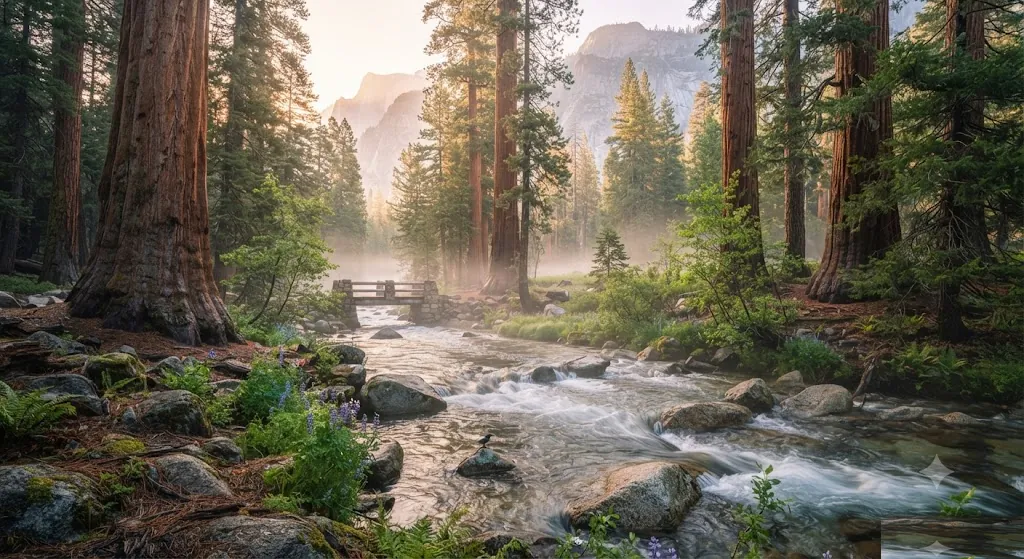
Our Sequoia and Kings Canyon National Parks guide covers practical planning for Sequoia and Kings Canyon National Parks California — best time to visit, getting there, and what to do on the ground. We cut through the generic travel fluff to deliver confident, specific advice for an unforgettable trip to these majestic California parks.
As the Roam States editorial team, we understand that planning a trip to a national park can feel overwhelming, especially when you're aiming to experience the truly iconic. That's why we've compiled this comprehensive guide to Sequoia and Kings Canyon National Parks, two of California's most awe-inspiring natural treasures. These adjacent parks, often managed as one, are home to the world's largest trees by volume, including the legendary General Sherman Tree, and boast an incredible diversity of landscapes, from towering sequoia groves to deep, glacially carved canyons. We're here to help you navigate the logistics, maximize your time, and discover why these parks are an essential stop on any California adventure.
Why Visit Sequoia and Kings Canyon National Parks
We recommend visiting Sequoia and Kings Canyon National Parks for an unparalleled encounter with nature's giants and dramatic landscapes. Imagine standing at the base of a tree that has witnessed millennia, its massive trunk dwarfing everything around it. This is the everyday reality in the Giant Forest, home to the General Sherman Tree, the largest living thing on Earth by volume. But the allure extends far beyond these ancient titans. Kings Canyon, often referred to as a smaller, deeper Yosemite, plunges over a mile into the earth, offering breathtaking vistas and a sense of profound wilderness. From the granite domes of Moro Rock to the roaring waterfalls of Cedar Grove, the sheer scale and beauty of these parks are simply astounding. We believe it's a destination that truly puts life into perspective, reminding us of the enduring power and majesty of the natural world.
Beyond the headline attractions, the parks offer a chance to disconnect and immerse yourself in a pristine environment. The air is crisp, the silence profound, and the stars at night are unlike anything you'll see in a city. It's a place for reflection, for adventure, and for creating memories that will last a lifetime. Whether you're a seasoned hiker or simply seeking a serene escape, the unique combination of towering trees and rugged canyons makes these parks a truly special destination.
Who It's Best For
We find that Sequoia and Kings Canyon National Parks appeal to a wide range of travelers, but they particularly shine for those seeking a deep connection with nature and a sense of awe. If you're a nature enthusiast, a photographer, or someone who appreciates the grandeur of ancient forests and dramatic geological formations, these parks are an absolute must-visit. Families with children will find plenty of accessible trails and ranger programs designed to spark curiosity about the natural world. The sheer size of the sequoias often captivates even the youngest visitors, making it a memorable educational experience.
Hikers, from casual strollers to experienced backpackers, will discover an extensive network of trails, ranging from paved, easy loops to strenuous multi-day treks into the wilderness. Those interested in geology and ecology will be fascinated by the unique ecosystems and the forces that shaped these landscapes. While the parks offer some amenities, they are primarily for those who appreciate a more rustic, outdoor-focused vacation. If your ideal trip involves luxury resorts and bustling nightlife, you might find the remote nature of these parks less appealing. However, for anyone craving a genuine wilderness experience, spectacular scenery, and a break from the everyday, we confidently recommend Sequoia and Kings Canyon National Parks.
Getting There & Parking
Understanding how to get to Sequoia and Kings Canyon National Parks is crucial for a smooth trip, as access can vary by season and entrance. The parks are located in the southern Sierra Nevada mountains of California, roughly equidistant from Fresno and Bakersfield. Most visitors arrive by car, and we strongly advise checking current road conditions on the official National Park Service website before you depart, especially if traveling outside of summer.
Main Entrances and Routes
- From the South (Sequoia National Park): The main entrance is the Ash Mountain Entrance, accessible via Highway 198 (Generals Highway) from Visalia. This route takes you directly into the Giant Forest and offers stunning views as you ascend.
- From the North (Kings Canyon National Park & Grant Grove): The Big Stump Entrance is the primary gateway, accessed via Highway 180 from Fresno. This leads directly to Grant Grove, where you'll find the General Grant Tree. Highway 180 also continues into Kings Canyon's Cedar Grove area, but this section is typically closed in winter.
We want to emphasize that the Generals Highway connects Sequoia and Kings Canyon National Parks, allowing you to travel between the two. However, sections of this highway, particularly between Lodgepole and Grant Grove, are at high elevations and are subject to winter closures due to snow. Always verify road status for 2026 before heading out. For those flying in, Fresno Yosemite International Airport (FAT) is the closest major airport, offering rental car services.
Parking Information
Parking at Sequoia and Kings Canyon National Parks can be a challenge during peak season (typically May through October), especially at popular trailheads and attractions like the Giant Forest Museum, Moro Rock, and Crescent Meadow. We recommend arriving early in the day to secure a spot. During summer, shuttle services operate in key areas, such as the Giant Forest, to help reduce vehicle congestion and improve access to popular sites. Utilizing these shuttles is often the most efficient way to navigate the busiest areas and minimize your environmental impact.
There is a single entrance fee of $35 per vehicle, which is valid for 7 days and covers both Sequoia and Kings Canyon National Parks. This fee is subject to change, so always confirm the latest rates on the NPS website. No advance entrance reservations are currently required for day use in 2026, but this policy can be updated at any time, so we advise checking the official park website closer to your travel date.
Top Things to Do
When considering things to do at Sequoia and Kings Canyon National Parks, the sheer scale of the sequoia groves and the dramatic depth of the canyons will undoubtedly be at the top of your list. Our team has identified the essential experiences that capture the essence of these magnificent parks.
Witness the Giant Sequoias
- General Sherman Tree: Located in Sequoia National Park's Giant Forest, this is the world's largest tree by volume. A paved, accessible trail leads to its base, with a shuttle available during peak season. We recommend taking the longer, unpaved Congress Trail loop to experience more of the surrounding giant sequoias away from the immediate crowds.
- General Grant Tree: Found in Kings Canyon National Park's Grant Grove, the General Grant Tree is the second-largest tree in the world and is often called "the Nation's Christmas Tree." An easy paved loop trail allows for close-up views of this magnificent specimen and other notable trees in the grove.
- Muir Grove: For a more secluded experience away from the main tourist hubs, we suggest a hike to Muir Grove in Kings Canyon. It requires a moderate hike, but the reward is a tranquil grove of giants with fewer visitors.
Explore Kings Canyon
- Kings Canyon Scenic Byway (Highway 180): This stunning 30-mile drive descends from Grant Grove into the deepest part of Kings Canyon, Cedar Grove. It offers access to trailheads, viewpoints, and the roaring Kings River. Note that this road is typically closed from late fall through late spring due to snow.
- Zumwalt Meadow: An easy, picturesque loop trail in Cedar Grove that offers stunning views of the canyon walls, the Kings River, and a lush meadow. It’s an ideal spot for photography and a leisurely stroll.
- Mist Falls: One of the largest waterfalls in Kings Canyon, Mist Falls requires a strenuous 8-mile round trip hike from the end of the Cedar Grove road. The reward is a powerful cascade amidst granite splendor.
Iconic Viewpoints and Activities
- Moro Rock: A granite dome in Sequoia National Park that offers panoramic views of the Great Western Divide and the wilderness areas. A strenuous but short 350-step climb to the top is well worth the effort for the breathtaking vistas.
- Tunnel Log: A fallen giant sequoia in Sequoia National Park through which you can drive your car (or walk). It's a popular photo opportunity.
- Crystal Cave: A beautiful marble cavern offering guided tours. Reservations are often required and can be booked in advance directly through the park concessionaire. Check 2026 availability and tour times, as this attraction is seasonal.
- Giant Forest Museum: Located in Sequoia National Park, this museum provides excellent interpretive exhibits about the giant sequoias and the ecology of the park. It's a great starting point for understanding the area.
These things to do at Sequoia and Kings Canyon National Parks represent the core experiences, but countless other adventures await, from fishing in the Kings River to stargazing in the dark night skies. Remember to always practice Leave No Trace principles to preserve these incredible environments for future generations.
Best Time to Visit
Choosing the best time to visit Sequoia and Kings Canyon National Parks largely depends on what you want to experience, as each season offers a distinct charm. We’ve broken down the pros and cons to help you plan your trip.
Summer (June to September)
This is by far the most popular time to visit, and for good reason. All park roads and facilities are typically open, including the scenic drive into Cedar Grove in Kings Canyon and the Mineral King area. The weather is generally warm and sunny, ideal for hiking and exploring. However, summer also brings the largest crowds, particularly on weekends and holidays. Parking can be challenging, and popular trails will be busy. We recommend making lodging and camping reservations well in advance if you plan to visit during these months. Wildfire season can also impact air quality and lead to closures, so monitor conditions closer to your trip.
Fall (October to November)
Fall is a fantastic shoulder season, offering cooler temperatures, fewer crowds, and stunning autumn foliage, especially in the canyon areas. The air is often clearer, providing excellent visibility for photography. Most facilities remain open through October, though some high-elevation roads may begin to close by late November due with early snowfalls. This is an ideal time for hikers seeking solitude and vibrant colors. We consider it one of the best times for a more peaceful experience.
Winter (December to March)
Visiting in winter transforms the parks into a snowy wonderland, offering a truly magical and serene experience. The giant sequoias dusted with snow are an unforgettable sight. Cross-country skiing, snowshoeing, and even sledding are popular activities. However, winter also brings significant challenges: many roads, including the Kings Canyon Scenic Byway and the Generals Highway between Lodgepole and Grant Grove, are closed. Access is primarily limited to the lower elevations of Sequoia (Ash Mountain Entrance) and Grant Grove in Kings Canyon. Chains may be required on open roads. If you're prepared for cold weather and limited access, winter offers unparalleled beauty and tranquility.
Spring (April to May)
Spring is another excellent shoulder season, as the parks begin to awaken from winter. Waterfalls are at their most powerful due to snowmelt, and wildflowers start to bloom at lower elevations. Crowds are lighter than in summer, and temperatures are pleasantly mild. While most roads typically reopen by late spring, some higher-elevation areas might still be inaccessible until late May or early June. This is a great time for photography and enjoying the parks before the summer rush. We suggest checking the NPS website for specific road opening dates for 2026.
Ultimately, the best time to visit Sequoia and Kings Canyon National Parks depends on your priorities. For full access and warm weather, summer is your best bet, but be prepared for crowds. For a quieter, more reflective experience with beautiful scenery, consider spring or fall. And for a truly unique, snowy adventure, winter offers a special kind of magic.
Where to Stay Nearby
Finding suitable Sequoia and Kings Canyon National Parks lodging is a key part of planning your visit, whether you prefer to stay inside the parks for convenience or in gateway communities for more options. Our team has surveyed the best choices to help you decide.
Inside the Parks (Sequoia and Kings Canyon National Parks Lodging)
Staying within the park boundaries offers unparalleled access to trails and attractions, especially during early mornings and late evenings when crowds are thinner. Reservations are highly recommended, often needing to be booked up to a year in advance, particularly for peak season 2026.
- Wuksachi Lodge (Sequoia National Park): Located in the Giant Forest area, Wuksachi is the park's premier full-service hotel, offering comfortable rooms, a dining room, and a lounge. It’s an excellent base for exploring the sequoia groves.
- John Muir Lodge (Kings Canyon National Park): Situated in Grant Grove, this lodge provides a more rustic yet comfortable experience with a restaurant and gift shop nearby. It’s ideal for exploring the General Grant Tree and accessing the Kings Canyon Scenic Byway.
- Cedar Grove Lodge (Kings Canyon National Park): Open seasonally (typically late spring to early fall), this lodge is located deep within Kings Canyon, offering basic but comfortable accommodations right on the Kings River. It’s perfect for those focused on exploring the canyon's trails and scenery.
- Grant Grove Cabins (Kings Canyon National Park): Also in Grant Grove, these cabins offer a range of options from rustic tent cabins to more modern motel-style rooms, providing flexibility for different budgets and preferences.
- Lodgepole Campground & Village (Sequoia National Park): While primarily a campground, Lodgepole Village offers a market, deli, and showers, making it a central hub for visitors in Sequoia National Park.
Gateway Communities (Best Hotels Near Sequoia and Kings Canyon National Parks)
For those seeking more amenities, lower prices, or simply unable to secure in-park lodging, several towns outside the park entrances offer a variety of accommodations. Keep in mind that driving times to the park attractions can be significant from these towns.
- Three Rivers, California: Located just outside the Ash Mountain Entrance to Sequoia National Park, Three Rivers is the most convenient gateway town. It offers a range of hotels, motels, vacation rentals, and restaurants. We consider it the best option for easy access to Sequoia's main attractions.
- Visalia, California: A larger city about an hour's drive from the Ash Mountain Entrance, Visalia provides a broader selection of chain hotels, dining, and shopping options. It's a good base if you prefer city amenities and don't mind the drive.
- Fresno, California: Located about an hour and a half from the Big Stump Entrance to Kings Canyon National Park, Fresno is the largest city in the region and offers the most extensive choice of hotels, restaurants, and services. It's a practical choice if you're flying into Fresno Yosemite International Airport or planning to explore Kings Canyon more extensively.
When searching for Sequoia and Kings Canyon National Parks lodging, we always recommend booking as far in advance as possible, especially if your visit aligns with peak season or a holiday weekend in 2026. This ensures you have the best selection and can secure your preferred type of accommodation.
Sample 2-Day Itinerary
To help you make the most of your visit, our team has crafted a sample 2-day itinerary for Sequoia and Kings Canyon National Parks, focusing on hitting the major highlights and experiencing the unique character of both parks. This itinerary assumes you have a car and are comfortable with moderate walking.
Day 1: Giant Sequoias of Sequoia National Park
- Morning (Ash Mountain Entrance): Enter Sequoia National Park via the Ash Mountain Entrance (Highway 198). Stop at the Foothills Visitor Center for maps and current information. Drive up the Generals Highway, taking in the increasingly dramatic scenery.
- Late Morning (Giant Forest): Head straight to the Giant Forest, the heart of Sequoia National Park. Park at the Giant Forest Museum or a shuttle stop (if operating). Begin with a visit to the General Sherman Tree, the world's largest tree by volume. Walk the paved trail to its base, and then consider extending your hike on the Congress Trail to see more magnificent sequoias like The President and Chief Sequoyah.
- Lunch: Pack a picnic to enjoy amidst the sequoias, or grab a meal at the Lodgepole Deli.
- Afternoon (Moro Rock & Tunnel Log): After lunch, drive (or take the shuttle) to Moro Rock. Climb the 350-step staircase for breathtaking panoramic views of the Great Western Divide and the surrounding wilderness. Afterward, drive through (or walk under) the iconic Tunnel Log for a classic photo opportunity.
- Evening (Crescent Meadow & Stargazing): Take a leisurely stroll around Crescent Meadow, often called the "Gem of the Giant Forest," where you might spot deer or bears. As night falls, find an open spot away from artificial lights for some incredible stargazing – the dark skies here are phenomenal.
- Overnight: Stay at Wuksachi Lodge or a campground in Sequoia National Park, or in the gateway town of Three Rivers.
Day 2: Kings Canyon's Grandeur & Grant Grove
- Morning (Drive to Kings Canyon & Grant Grove): If you stayed in Sequoia, drive north on Generals Highway towards Kings Canyon National Park and Grant Grove. If starting from Fresno, enter via the Big Stump Entrance.
- Late Morning (General Grant Tree & Grant Grove): Visit the General Grant Tree, the "Nation's Christmas Tree," and explore the surrounding Grant Grove on the easy paved loop trail. Take time to visit the Fallen Monarch and the Gamlin Cabin.
- Lunch: Have lunch at Grant Grove Village, which offers a restaurant and a market.
- Afternoon (Kings Canyon Scenic Byway & Cedar Grove): Drive down the spectacular Kings Canyon Scenic Byway (Highway 180) into Cedar Grove (check seasonal road closures). This is a dramatic descent into one of North America's deepest canyons. Stop at iconic viewpoints like Junction View. Once in Cedar Grove, take an easy walk around Zumwalt Meadow for stunning canyon views and river access. If time and energy permit, consider a shorter hike along the Kings River.
- Late Afternoon: Begin your scenic drive back out of Kings Canyon, allowing ample time as the road is winding.
- Overnight: Depart for your next destination, or stay overnight in Grant Grove or Fresno.
This itinerary provides a solid framework, but we encourage you to adjust it based on your interests, fitness level, and the time of year you visit. Remember that driving times within the parks can be longer than anticipated due to winding roads and elevation changes.
Is It Worth Visiting?
Without a doubt, our expert verdict is a resounding yes: Sequoia and Kings Canyon National Parks California are absolutely worth visiting. We often hear travelers debate whether to prioritize these parks over other iconic California destinations like Yosemite National Park or Redwood National Park. Our stance is firm: Sequoia and Kings Canyon offer a distinct and equally breathtaking experience that stands on its own merits.
The sheer scale of the giant sequoias is something that truly needs to be experienced firsthand. Photos and videos simply cannot convey the feeling of standing beneath a tree that has lived for thousands of years, a living monument to time. This unique encounter with the world's largest trees is a primary reason why we believe these parks are worth visiting. Beyond the sequoias, Kings Canyon offers a dramatic, glacially carved landscape that rivals some of the most famous canyons in the world, providing a sense of solitude and grandeur that is increasingly rare.
Furthermore, the parks offer a diverse range of activities, from easy, accessible walks to challenging backcountry treks, catering to all levels of outdoor enthusiasts. The opportunity for wildlife viewing, stargazing, and simply immersing oneself in pristine wilderness makes the journey incredibly rewarding. While planning requires attention to seasonal road closures and booking accommodations, the effort is amply repaid by the unforgettable natural wonders you'll encounter. For anyone seeking to connect with monumental nature and experience the raw beauty of the Sierra Nevada, we wholeheartedly confirm that a trip to Sequoia and Kings Canyon National Parks is an investment in unforgettable memories.
Sequoia and Kings Canyon National Parks camping
Camping in Sequoia and Kings Canyon National Parks is an incredibly popular way to experience the parks, offering a deeper connection to nature. There are numerous campgrounds available, ranging from developed sites with amenities to more primitive backcountry options. Most developed campgrounds require reservations, especially during peak season (May through October), and we strongly advise booking as far as six months to a year in advance for 2026. Popular campgrounds include Lodgepole and Dorst Creek in Sequoia, and Grant Grove and Cedar Grove in Kings Canyon. Some campgrounds operate on a first-come, first-served basis, but these fill up extremely quickly. Always check the official NPS website for specific campground opening dates, reservation policies, and any fire restrictions before your trip. Wilderness permits are required for all overnight backcountry camping.
things to do in Sierra Nevada
The Sierra Nevada mountain range, home to Sequoia and Kings Canyon National Parks, offers a vast array of things to do beyond these two parks. We recommend exploring other incredible destinations like Yosemite National Park for its iconic granite cliffs and waterfalls, or Lake Tahoe for stunning alpine lakes and recreational activities. The Eastern Sierra, accessible via Highway 395, is a haven for rock climbing, hot springs, and exploring charming mountain towns like Mammoth Lakes. Hiking, fishing, backpacking, and scenic drives are paramount throughout the entire range. Whether it's the dramatic landscapes of Death Valley National Park to the east or the rugged beauty of the John Muir Wilderness, the Sierra Nevada promises endless outdoor adventure for every type of traveler.
Sequoia and Kings Canyon National Parks with kids
Visiting Sequoia and Kings Canyon National Parks with kids is a fantastic family adventure, and we've found the parks to be very kid-friendly. The sheer size of the giant sequoias is often a huge hit, sparking wonder and excitement. Easy, paved trails like the Big Trees Trail in Giant Forest and the General Grant Tree Trail are perfect for little legs and strollers. Kids can earn Junior Ranger badges by completing activity booklets, which are available at visitor centers. We recommend visiting the Giant Forest Museum for interactive exhibits. Moro Rock offers an exciting, though strenuous, climb for older, more adventurous children. Always keep a close eye on children, especially near water or on trails with drop-offs, and teach them about wildlife safety. The shuttle system in Sequoia's Giant Forest area makes navigating with children much easier during busy periods.
best hotels near Sequoia and Kings Canyon National Parks
When searching for the best hotels near Sequoia and Kings Canyon National Parks, we typically point visitors to the gateway community of Three Rivers for Sequoia access, or Fresno/Visalia for Kings Canyon access. In Three Rivers, options range from charming B&Bs to comfortable motels, offering the closest proximity to the Ash Mountain Entrance. For those who prefer larger chain hotels with more amenities, Visalia (about an hour from Sequoia) and Fresno (about 1.5 hours from Kings Canyon) provide extensive choices. Inside the parks, Wuksachi Lodge in Sequoia and John Muir Lodge in Kings Canyon are the top-tier options, offering convenience and a unique park experience, though they require advance booking for 2026. For a more rustic stay, the Grant Grove Cabins are also a great choice. We advise considering your budget, desired amenities, and preferred driving distance to park attractions when making your selection.
Sequoia and Kings Canyon National Parks tips
Our top Sequoia and Kings Canyon National Parks tips for a successful trip include planning ahead, especially for peak season. Always check the official NPS website (nps.gov/seki) for current road conditions, closures, fees, and reservation requirements for 2026 before you depart. Book lodging and camping as far in advance as possible. Be prepared for varying weather conditions, even in summer, and bring layers of clothing. Pack plenty of water and snacks, as services within the parks are limited. Utilize the park shuttle system during busy times to avoid parking frustrations. Practice Leave No Trace principles to protect the natural environment. Finally, be bear aware: store food properly and never approach wildlife. An early start to your day will help you beat the crowds at popular attractions.
where to stay near Sequoia and Kings Canyon National Parks
Deciding where to stay near Sequoia and Kings Canyon National Parks depends on your priorities and which part of the parks you plan to explore most. For visitors primarily focused on Sequoia National Park's Giant Forest and Moro Rock, the town of Three Rivers, just outside the Ash Mountain Entrance, is the most convenient option. It offers a variety of accommodations and dining. If your itinerary leans heavily towards Kings Canyon and Grant Grove, the city of Fresno provides the widest selection of hotels and services, though it's about a 1.5-hour drive to the park entrance. Visalia is another good option, roughly an hour from Sequoia's entrance, with more amenities than Three Rivers. Inside the parks, you'll find lodges and cabins at Wuksachi, Grant Grove, John Muir, and Cedar Grove, offering unparalleled access but requiring early reservations. We always recommend balancing proximity to attractions with your desired level of comfort and available budget.
From the towering majesty of the General Sherman Tree to the awe-inspiring depths of Kings Canyon, these parks offer a truly unforgettable experience. We hope our guide provides the practical insights you need to plan your adventure to Sequoia and Kings Canyon National Parks California, ensuring a journey filled with wonder and discovery. Remember to always respect the natural environment and leave no trace, preserving these incredible landscapes for generations to come. For more inspiration on planning your next adventure, visit our Plan Your US Trip guide or explore our USA Road Trip Planner.
Last updated: 2026-07-13 by the Roam States team.