Our Traveler's Rest State Park guide covers practical planning for Traveler's Rest State Park Montana — best time to visit, getting there, and what to do on the ground.
As the Roam States editorial team, we pride ourselves on delivering confident, specific, and genuinely helpful travel advice. When it comes to uncovering the heart of Montana's history and natural beauty, few places resonate as deeply as Traveler's Rest State Park. This isn't just another stop on a road trip; it's a pilgrimage to the only archaeologically verified campsite of the Lewis and Clark Expedition in the entire United States. Our team has thoroughly explored this remarkable site, delving into its rich past and present offerings to bring you an authoritative guide that cuts through the generic fluff and gets straight to what you need to know for an unforgettable visit.
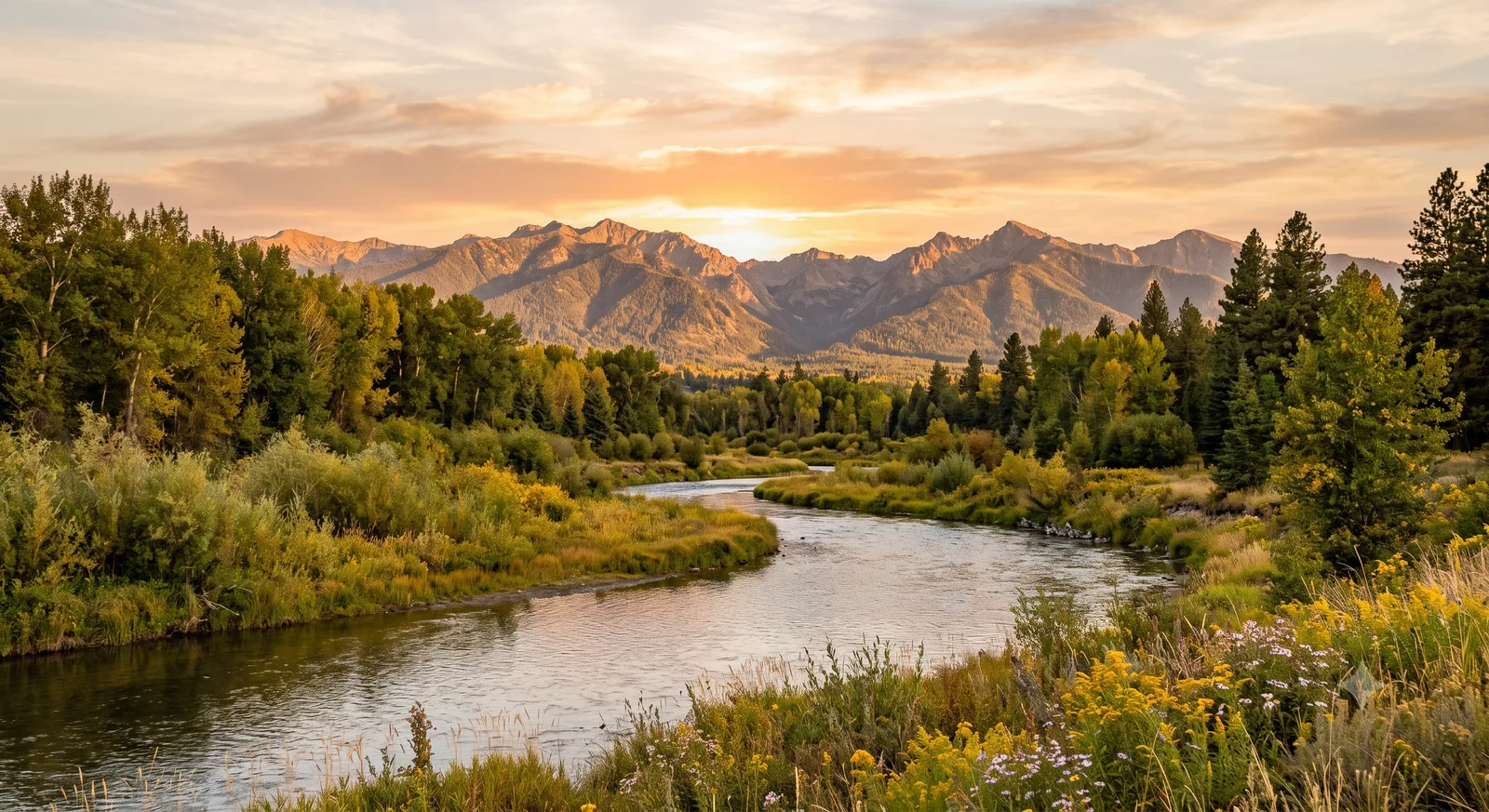
Here, along the tranquil banks of Lolo Creek, you'll walk in the footsteps of explorers and Indigenous peoples who have gathered at this crossroads for centuries. From the tangible evidence of the Corps of Discovery's stay to the vibrant interpretive programs celebrating Native American culture, Traveler's Rest State Park offers a unique blend of education, recreation, and reflection. We’ve compiled all the essential 2026 facts on hours, fees, parking, and activities, ensuring your planning is as smooth as the flow of Lolo Creek itself.
Why Visit Traveler's Rest State Park
For us, the primary draw of Traveler's Rest State Park is its unparalleled historical significance. It stands as the singular site along the vast Lewis and Clark Trail where archaeologists have uncovered definitive physical proof of the Corps of Discovery's presence. Imagine standing precisely where Meriwether Lewis and William Clark, along with their expedition, camped not once, but twice – first in September 1805 on their westward journey, and again in June and July 1806 on their return trip.
In 2002, archaeological investigations unearthed compelling evidence, including a mercury-tainted trench latrine (mercury was a common remedy for ailments of the era), fire hearths, and lead fragments used for firearm repair and ammunition. These discoveries provide a tangible link to the past, allowing visitors to connect with the expedition's arduous journey in a way no other site can. It's a profound experience to realize you are literally treading the same ground as these pivotal figures in American history.
Beyond the Lewis and Clark narrative, Traveler's Rest has been a vital gathering place for Indigenous peoples for thousands of years. The Salish, Pend d'Oreille, and Nez Perce tribes traditionally used this area as a campsite and trail junction, a rich history that predates the Corps of Discovery by millennia. The park beautifully integrates these layered histories, offering interpretive programs and exhibits that honor the enduring cultural heritage of these Native American communities. This dual focus on both Indigenous history and the Lewis and Clark Expedition provides a comprehensive and deeply moving understanding of this ancient crossroads.
The park also serves as a gateway to understanding the broader natural history of Western Montana. Situated along Lolo Creek, it boasts a diverse ecosystem, including cottonwood groves and open meadows, making it an excellent spot for birdwatching and wildlife viewing. Over 115 bird species have been recorded within the park boundaries. It's a place where history and nature intertwine, offering both intellectual stimulation and peaceful outdoor enjoyment. For those planning a larger trip through the state, Traveler's Rest State Park is an essential component of any Montana itinerary.
Who It's Best For
Traveler's Rest State Park is an ideal destination for history buffs, particularly those fascinated by the Lewis and Clark Expedition and Native American cultures. If you thrive on tangible connections to the past and appreciate well-researched, archaeologically verified sites, this park will undoubtedly captivate you. The interpretive trails and detailed exhibits provide a deep dive into the stories of those who passed through this significant landscape.
Families with children will also find Traveler's Rest State Park rewarding. The easy, well-marked trails are manageable for all ages, and the interactive exhibits in the visitor center, along with children's activities and educational programs, make history come alive in an engaging way. It’s a fantastic opportunity for kids to learn about American history and natural science in an outdoor setting, away from screens.
Nature enthusiasts and birdwatchers will appreciate the park's serene setting along Lolo Creek and its abundant wildlife. The opportunity to spot over 115 bird species and enjoy peaceful strolls through cottonwood forests offers a tranquil counterpoint to the historical exploration. Anyone seeking a quiet, reflective outdoor experience, perhaps as a break from more strenuous adventures like those found in Glacier National Park or Yellowstone National Park (North), will find solace here.
Moreover, it's perfect for travelers looking for an accessible and informative stop. The terrain is mostly flat, and many paths are considered accessible, ensuring that a wide range of visitors can enjoy the park's offerings. Whether you have an hour or an entire afternoon, Traveler's Rest offers a meaningful experience without requiring extensive physical exertion.
Getting There & Parking
Understanding how to get to Traveler's Rest State Park is straightforward, making it an accessible destination for many travelers through Western Montana. The park is conveniently located just outside of Lolo, Montana, approximately 10 miles south of Missoula.
If you're driving from Missoula, take U.S. Highway 93 South towards Lolo. Upon reaching Lolo, turn west onto U.S. Highway 12. The park entrance is situated about half a mile west on U.S. Highway 12, on your left-hand side. Look for historical markers that will guide your way.
For those arriving from other directions, Lolo is a key junction. U.S. Highway 12, which the park sits on, is also known as the Lewis and Clark Highway and meanders over Lolo Pass, offering a scenic drive through pristine forest if you're coming from the west (Idaho).
When it comes to parking at Traveler's Rest State Park, visitors will find ample space available on-site. There are designated parking areas conveniently located near the Visitor Center and trailheads, ensuring easy access to the park's main attractions. We recommend arriving earlier in the day during peak summer months to secure the best spots, though the park generally accommodates its visitors well.
Regarding fees for entry in 2026, admission to Traveler's Rest State Park is free for vehicles with Montana license plates, provided the owner has opted into the state's parks support fee. For out-of-state visitors, there is an $8 per vehicle entrance fee. These fees contribute directly to the maintenance and interpretive programs that make the park such a valuable resource.
Top Things to Do
There are numerous things to do at Traveler's Rest State Park, offering a blend of historical immersion, cultural appreciation, and natural exploration. Our team highly recommends dedicating at least half a day to fully experience its offerings.
First and foremost, immerse yourself in the park's core mission: exploring the only archaeologically verified campsite of the Lewis and Clark Expedition. Begin at the **Visitor Center and Museum**, which serves as the hub for your visit. Here, you'll find fascinating exhibits showcasing archaeological finds from the site, including replicas of Lewis & Clark Expedition equipment and clothing. Learn about the mercury-tainted latrine, fire hearths, and lead fragments that definitively linked this spot to the Corps of Discovery.
The museum also features rich exhibits on Salish culture, Native American handcrafts, and natural history displays with local wildlife. Keep an eye out for current temporary exhibits; for instance, in 2026, you might encounter "Ursus Horribilis: The Grizzly Bear Illustrated" or the "Visions of Lewis & Clark" kite exhibit. The Visitor Center is open daily during summer from 9:30 a.m. to 4:30 p.m., with slightly reduced hours and days in other seasons.
After exploring the indoor exhibits, venture outside onto the **interpretive trails**. These well-maintained paths lead you through the historic campsite, along Lolo Creek, and into the surrounding cottonwood groves. Signage along the trails provides in-depth information about the expedition's activities, the Indigenous use of the land, and the local ecology. The "Lewis and Clark Trail" is a short, interpretive route, while the "Riverside Loop" offers a 1.2-mile gentle walk with excellent birdwatching opportunities. These trails are easy and family-friendly, making them perfect for a leisurely stroll and a chance to truly walk in history's footsteps. This is one of the key things to do at Traveler's Rest State Park that truly sets it apart.
Participate in one of the park's **interpretive programs or special events**. During the summer, daily interpretations are offered, often including living historians and demonstrations that bring the past to life. The park also hosts Indigenous Demonstration Days and a popular Winter Storytelling Series, honoring the Salish tradition of sharing history and culture through narratives. Check the park's official website for a 2026 schedule of events, as these programs are dynamic and engaging.
Other popular things to do at Traveler's Rest State Park include **birdwatching and wildlife viewing**. With Lolo Creek running through the park, it's a haven for many species. Bring your binoculars and keep an eye out for the diverse avian population. Picnicking is also a popular activity, with picnic tables and shelters available for use, offering a peaceful setting for a meal amidst nature and history. You can even try seasonal fishing in Lolo Creek.
Best Time to Visit
Our team confidently recommends visiting Traveler's Rest State Park from late spring through early fall. This period, roughly May through September, offers the most favorable weather conditions for exploring the outdoor trails and enjoying the park's full range of interpretive programs.
During the **summer months (June-August)**, the park is at its most vibrant. The grounds are lush and green, and the Visitor Center operates daily from 9:30 a.m. to 4:30 p.m. This is when daily interpretive programs and special events, including Indigenous Demonstration Days, are most active, providing a deeper insight into both the Lewis and Clark Expedition and Native American history. However, summer also brings more visitors and warmer temperatures, so we advise bringing water and using insect repellent.
**Spring (May to Memorial Day)** is a beautiful time to visit as well. The landscape awakens with new growth, and the weather is typically mild. The Visitor Center is open Tuesday through Sunday during this period. Fall, particularly **September**, is another excellent choice. The park celebrates the anniversary of the Corps of Discovery's first visit, and the changing leaves along Lolo Creek create a picturesque backdrop for your visit. The Visitor Center hours typically shift to 10 a.m. to 4 p.m. in September.
While the park is open year-round, the **fall and winter months (October-April)** see reduced Visitor Center hours (Wednesday-Sunday, 10 a.m. to 4 p.m., closed Mondays and Tuesdays). However, winter offers a unique experience with the popular Winter Storytelling Series, which honors Salish traditions. If you don't mind cooler temperatures and potentially snow-covered trails, a winter visit can be quite magical and less crowded, focusing more on indoor exhibits and storytelling.
Ultimately, the "best" time depends on your priorities. For comprehensive programming and pleasant outdoor conditions, aim for late spring to early fall. For a quieter, more reflective experience with a focus on cultural storytelling, consider a winter visit.
Where to Stay Nearby
While Traveler's Rest State Park itself does not offer camping or lodging facilities, there are ample options for Traveler's Rest State Park lodging in the surrounding area, particularly in Lolo and nearby Missoula. Our team recommends planning your overnight stays in advance, especially during peak summer travel season.
Hotels and Motels
For those preferring traditional hotel accommodations, Lolo offers a few convenient choices. The **Days Inn by Wyndham Lolo / Missoula Area** is a reliable option, often praised for its pet-friendly policies and comfortable rooms. Another notable choice is **The Lodge at Lolo Hot Springs**, which provides a unique experience with onsite natural hot springs pools, perfect for relaxation after a day of exploration.
Just a short drive north, Missoula provides a wider array of hotels, from budget-friendly options to more upscale establishments. Consider properties like the **Brooks Street Motor Inn** or various chain hotels for convenience and amenities. If you're seeking a more intimate experience, Missoula also has charming guesthouses and bed and breakfasts.
Vacation Rentals
Vacation rentals are an excellent choice for families or groups seeking more space and amenities. Platforms like Vrbo and Airbnb list numerous private homes and apartments in and around Lolo and Missoula. Many offer features like decks, patios, fireplaces, and full kitchens, providing a comfortable home-away-from-home feel. Properties such as "Cozy 1-bedroom apartment in quiet neighborhood" or the "Fly Fisherman's Lodge on the Bitterroot River" in Lolo are examples of the diverse offerings.
Camping and RV Parks
For those who prefer camping, you'll need to look at private campgrounds or options in the nearby Lolo National Forest, as there is no camping available directly at Traveler's Rest State Park. Nearby private campgrounds include:
- **God's Country Camping**
- **Willow Point**
- **Missoula Rest And Relaxation** (offers RV and tent spots with Clark Fork River access)
- **Edge Of Missoula, Rattlesnake Creek** (a quiet stopover spot for RVs)
- **Square Dance Center & Campground, Inc.** (offers full hookup sites)
- **Yellowrock Campground**
When considering Traveler's Rest State Park lodging, remember that Lolo is a small community, so booking in advance, especially for popular times, is always a wise decision. Many visitors choose to stay in Missoula for its broader selection of dining and entertainment, making the short drive to the park for day visits.
Sample 2-Day Itinerary
To help you maximize your visit to Traveler's Rest State Park and the surrounding Western Montana area, our team has crafted a sample 2-day itinerary. This plan balances historical immersion with local exploration, ensuring a rich and varied experience.
Day 1: Lewis & Clark and Native American History
- Morning (9:00 AM - 1:00 PM): Immerse in Traveler's Rest State Park Montana
- Start your day at the Visitor Center and Museum. Allow ample time to explore the archaeological exhibits, Lewis and Clark replicas, and Native American cultural displays. Pay close attention to the details of the mercury-tainted latrine and lead fragments, which are the definitive proof of the expedition's stay.
- Join a guided interpretive program if available, or take a self-guided tour along the park's easy walking trails. Walk the "Lewis and Clark Trail" and the "Riverside Loop" to appreciate the natural setting and historical markers.
- Enjoy a picnic lunch at one of the park's scenic picnic areas along Lolo Creek.
- Afternoon (1:30 PM - 5:00 PM): Lolo Pass & Scenic Drive
- Head west on U.S. Highway 12 towards Lolo Pass. This scenic drive closely parallels the historic Lewis and Clark route.
- Stop at the Lolo Pass Visitor Center, located on the Montana-Idaho border. Here, you'll find additional exhibits on the expedition's challenging crossing of the Bitterroot Mountains and information on local trails.
- Enjoy a short, easy walk on one of the trails around the visitor center, taking in the mountain air and views.
- Evening: Lolo Dining & Relaxation
- Return to Lolo for dinner. Consider the **Lolo Creek Steakhouse** for a hearty Montana-style meal or **Lolo Peak Brewery & Grill** for local brews and pub fare.
- If staying in Lolo, unwind at your chosen accommodation. If staying in Missoula, enjoy the short drive back.
Day 2: Missoula Exploration & Outdoor Adventure
- Morning (9:00 AM - 1:00 PM): Missoula's Cultural & Natural Highlights
- Drive to Missoula (approx. 20 minutes from Lolo).
- Explore downtown Missoula, browsing local galleries and boutiques. Consider a visit to the **Missoula Art Museum**.
- For a bit of exercise and panoramic views, hike the "M" Trail up Mount Sentinel, a local landmark offering stunning vistas of the city and Bitterroot Valley.
- Alternatively, visit the **Fort Missoula Museum** to learn about regional history, logging, and early settlement. Or, for a unique experience, check out the **Smokejumper Visitor Center** (seasonal) to learn about wildland firefighting.
- Afternoon (1:30 PM - 5:00 PM): Bitterroot Valley or Lolo Hot Springs
- Option A: Bitterroot Valley Scenic Drive: Head south from Lolo into the Bitterroot Valley. Enjoy the scenic corridor through ranchland and mountain views, stopping in charming small towns like Stevensville or Hamilton. You could also explore some of the hiking trails in the Bitterroot National Forest.
- Option B: Lolo Hot Springs: For relaxation, drive back to **Lolo Hot Springs** and enjoy a soak in their natural mineral pools. This is particularly inviting after a morning of walking or hiking.
- Evening: Missoula Dining & Entertainment
- Enjoy dinner at one of Missoula's diverse restaurants.
- Catch a show at the historic **Wilma Theatre** or explore the city's vibrant brewery scene.
This itinerary provides a robust two days, but feel free to adjust it based on your interests and pace. Whether your focus is purely historical, nature-oriented, or a mix of both, the region around Traveler's Rest State Park offers a wealth of experiences.
Last updated: 2026-07-06 by the Roam States team.