Our Pompey's Pillar National Monument guide covers practical planning for Pompey's Pillar National Monument Montana — best time to visit, getting there, and what to do on the ground.
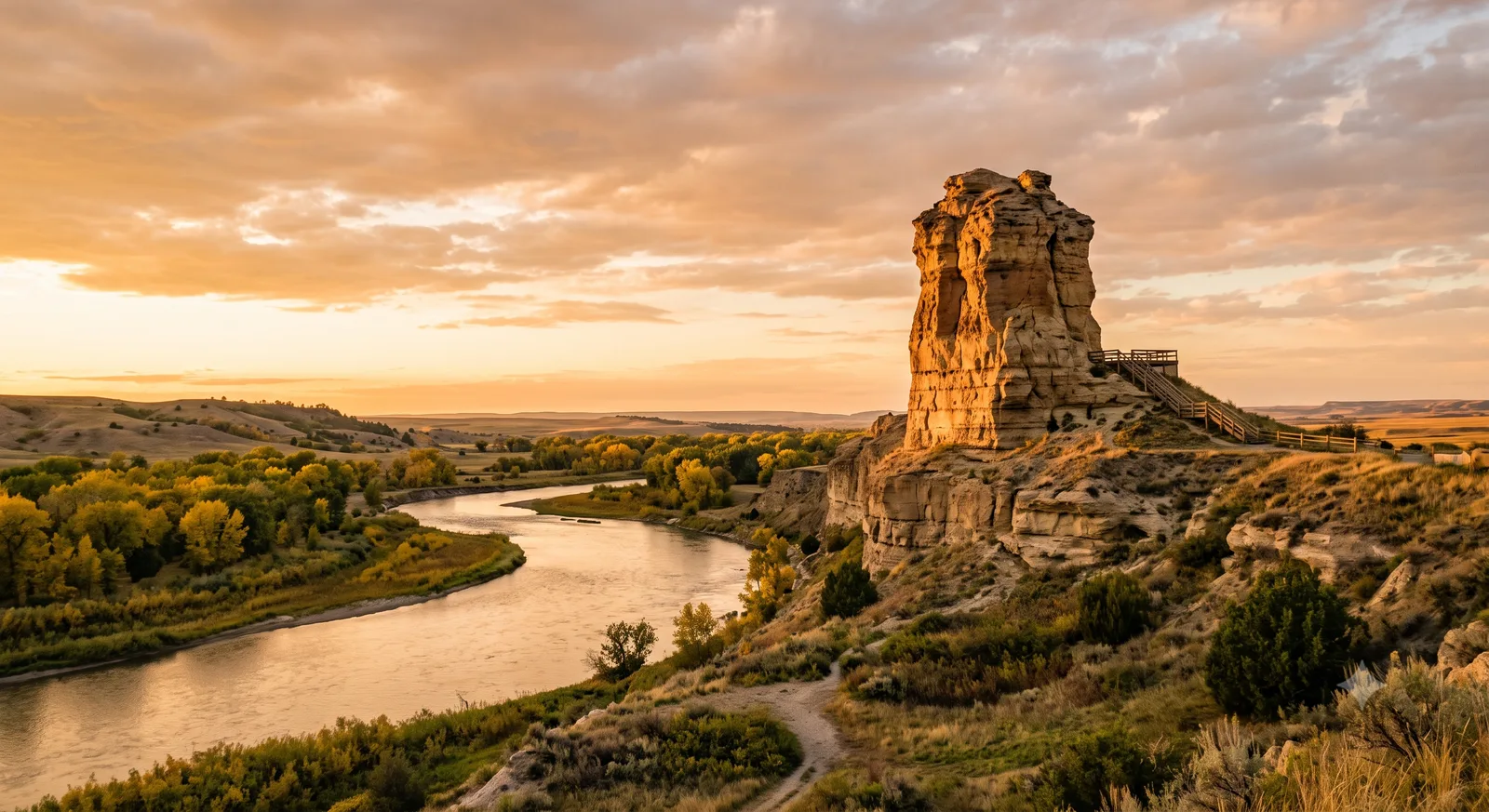
For those drawn to the echoes of American exploration, Pompey's Pillar National Monument Montana stands as an undeniable landmark. This unique sandstone formation, rising prominently above the Yellowstone River, holds the sole remaining physical evidence of the Lewis and Clark Expedition in Montana: William Clark's etched signature and the date July 25, 1806. We believe it's a must-see for anyone traversing Big Sky Country, offering a tangible connection to a pivotal moment in US history.
Why Visit Pompey's Pillar National Monument
Visiting Pompey's Pillar National Monument is like stepping directly into the pages of a history book. The primary draw, of course, is the iconic inscription left by Captain William Clark. On July 25, 1806, during his return journey from the Pacific, Clark ascended this 120-foot sandstone butte and carved his name and the date into its soft surface. This isn't just a historical footnote; it's the only remaining physical evidence of the entire Lewis and Clark Expedition visible on the trail, making it an incredibly powerful and unique site to experience.
But the monument's significance stretches far beyond 1806. For over 11,000 years, this striking geological feature has served as a landmark and gathering place for various Indigenous peoples, including the Crow, Shoshone, Sioux, Cheyenne, Arapaho, and Blackfeet. The rock face itself is a living journal, adorned with hundreds of petroglyphs and other inscriptions left by Native Americans, early explorers, fur trappers, and even soldiers, each adding another layer to its rich narrative.
The Interpretive Center at Pompey's Pillar National Monument further enhances the experience, offering a deep dive into the journey of Captain Clark and his detachment, including Sacagawea and her son Pomp, for whom the pillar is believed to be named. Exhibits detail native cultures, the local flora and fauna, and the broader context of the Lewis and Clark Expedition, bringing the stories to life through displays and a short film.
Beyond the historical and cultural immersion, the monument offers stunning natural beauty. Perched on the banks of the Yellowstone River, the site provides picturesque views of the surrounding valley. A boardwalk leads visitors to the top of the pillar, allowing for an up-close look at Clark's signature and panoramic vistas. The tranquil riverside grounds, shaded by ancient cottonwood trees, are perfect for a picnic or a moment of reflection.
Who It's Best For
Pompey's Pillar National Monument is a destination that appeals to a diverse range of travelers. History enthusiasts, particularly those fascinated by the Lewis and Clark Expedition and early American West, will find it an indispensable stop. The tangible connection to William Clark's journey is truly unparalleled, offering a profound sense of historical presence.
Families with school-aged children will also discover an engaging educational experience. The Interpretive Center's exhibits are designed to be informative and accessible, making history come alive for younger visitors. The boardwalk hike to the top of the pillar is manageable for most ages and provides a sense of adventure, while the picnic areas offer a chance to relax and enjoy the outdoors. We recommend it as a great way to introduce kids to American history and the natural beauty of Montana.
Nature lovers and photographers will appreciate the scenic beauty of the Yellowstone River Valley and the unique geological formation of the pillar itself. The chance to observe local wildlife and enjoy the peaceful riparian environment adds another dimension to the visit. Bird watchers, in particular, will find opportunities for observation along the river.
Lastly, those embarking on a larger Montana road trip will find Pompey's Pillar National Monument a convenient and rewarding stop, easily integrated into itineraries that include other regional attractions. It serves as an excellent complement to other historical sites like the Little Bighorn Battlefield National Monument, which is roughly an hour's drive south.
Is It Worth Visiting?
Absolutely, we confidently affirm that Pompey's Pillar National Monument is worth visiting. Its profound historical significance as the only remaining on-site physical evidence of the Lewis and Clark Expedition makes it a truly singular destination in the United States. To stand before William Clark's actual signature, etched into the rock over two centuries ago, is an experience that transcends typical museum visits and creates a direct, personal link to the past.
Beyond this iconic inscription, the monument offers a rich tapestry of human history, from ancient Native American petroglyphs to the marks left by later pioneers. The interpretive center provides excellent context, making the stories of these diverse groups accessible and engaging. Moreover, the natural setting along the Yellowstone River is beautiful, providing a serene backdrop for reflection and exploration. For anyone traveling through Montana with an appreciation for history, natural beauty, or the spirit of exploration, Pompey's Pillar National Monument is undeniably worth visiting.
Getting There & Parking
Reaching Pompey's Pillar National Monument is straightforward, as it's conveniently located just 25 miles east of Billings, Montana. Our team recommends planning your route via Interstate 94. Take Exit 23, and from there, follow the signs for approximately half a mile to the monument entrance. Alternatively, you can access the site via State Highway 312.
For those flying into the region, Billings Logan International Airport (BIL) is the nearest major airport, providing easy access to rental cars for the short drive to Pompey's Pillar National Monument. The drive from Billings typically takes around 30 minutes, making it an ideal day trip.
When you arrive, you'll find ample parking available at the monument, including designated spots for RVs. During the operating season (May 1st through September 30th), a fee is charged for vehicle entry. For 2026, the standard fee is $7 per vehicle for 1-6 passengers. Commercial and group rates apply for larger vehicles. It's important to note that all valid federal recreation passes, such as the America the Beautiful Pass, are honored for entry.
While there are no reservations required for general entry, we advise checking the official Bureau of Land Management (BLM) website or Recreation.gov for any updates on hours or fees before your visit, especially if planning a trip during a holiday or special event. The interpretive center, restrooms, and parking lot are all fully accessible.
Top Things to Do
There are several compelling things to do at Pompey's Pillar National Monument, ensuring a memorable visit for all ages and interests. The primary activity, and arguably the most significant, is ascending the pillar itself.
Experience the Pillar and Clark's Signature
The most iconic of things to do at Pompey's Pillar National Monument is to follow the boardwalk that leads visitors up the 120-foot sandstone formation. This approximately 1,000-foot-long boardwalk includes about 200 steps and takes you directly to the site of Captain William Clark's famous inscription. Here, you can view his signature and the date "July 25, 1806," etched into the rock, alongside numerous other historical etchings and ancient Native American petroglyphs. The panoramic views of the Yellowstone River Valley from the top are breathtaking and offer a sense of the vast landscape Clark himself observed. This is a truly tangible connection to American history.
Explore the Interpretive Center
After experiencing the pillar, dedicate time to the 5,700-square-foot Interpretive Center. This modern facility houses engaging exhibits that illuminate the journey of Captain Clark and his detachment, including Sacagawea and her son, Pomp. You'll learn about native cultures, the diverse flora and fauna of the region, and the broader context of the Lewis and Clark Expedition. The center also features J.K. Ralston paintings and sketches, replica canoes, and a homesteader's farm on the grounds. It provides essential background that deepens your understanding of the monument's significance.
Enjoy the Riverside Grounds and Trails
The monument grounds, adjacent to the Yellowstone River and shaded by large cottonwood trees, are perfect for relaxation and reflection. There are picnic tables available year-round, making it an ideal spot for a packed lunch with scenic views. You can also explore the short trails around the base of the pillar and along the river, enjoying the peaceful riparian environment. Pets are welcome on the grounds but must be leashed and are not permitted in the Visitor Center or on the boardwalk.
Attend Special Events
Keep an eye out for special events like "Clark Days," often held annually during the last weekend in July. These events can feature music, storytelling, and re-enactments, offering an even more immersive historical experience.
Things to Do in Billings
As Pompey's Pillar National Monument is just a short drive from Billings, Montana's largest city, we highly recommend extending your trip to explore the area's offerings. Billings serves as an excellent base for further adventures in Montana and beyond, including day trips to Yellowstone National Park or the scenic Beartooth Highway.
- Western Heritage Center: Dive into the history of the Yellowstone River Valley and Northern High Plains with a vast collection of artifacts and oral histories.
- Yellowstone Art Museum (YAM): Discover contemporary and historical art from the Northern Plains and Rocky Mountains.
- The Rimrocks: These striking sandstone cliffs offer fantastic hiking, scenic drives, and panoramic views of the city and surrounding landscape.
- Billings Brew Trail: For adults, explore the city's craft brewery scene with a self-guided tour of local breweries.
- ZooMontana: Montana's only zoo, featuring animals from the northern Rockies and colder climates.
- Pictograph Cave State Park: Just south of Billings, explore ancient rock art dating back over 2,000 years, offering another fascinating glimpse into early human habitation.
- Moss Mansion: Tour this historic 1903 mansion to experience the opulent lifestyle of early 20th-century Montana.
These things to do in Billings provide a diverse range of cultural, historical, and recreational opportunities to complement your visit to Pompey's Pillar National Monument.
Best Time to Visit
The best time to visit Pompey's Pillar National Monument is during its main operating season, which runs from May 1st through September 30th. During these months, the Interpretive Center is open, and vehicle access to the monument grounds is available. The weather is generally pleasant, making it ideal for exploring the outdoor trails and ascending the pillar's boardwalk.
For the 2026 season, the monument gates are open from 8:00 AM to 4:00 PM daily, with the vehicle entrance gate closing at 3:30 PM to allow visitors sufficient time to exit. The Interpretive Center operates from 9:00 AM to 4:00 PM. Please note that the monument is closed on Tuesdays for maintenance, though walk-in access is still permitted during daylight hours.
If you plan to visit outside of the main season, typically from October 1st through April 30th, you can still access the monument grounds on foot from dawn to dusk, free of charge. However, the Interpretive Center will be closed, and vehicle access past the main gate will not be available. The walk from the gates to the pillar is approximately 3/4 of a mile.
We recommend a spring visit (May-June) for lush greenery and fewer crowds, or a fall visit (September) for cooler temperatures and potentially vibrant autumn colors along the Yellowstone River. Summer (July-August) offers the warmest weather and full access to all facilities, but it also sees the highest number of visitors. Regardless of when you go, always check the official Bureau of Land Management website for the most current operating hours and conditions, as these can sometimes be subject to change due to weather or other factors.
Where to Stay Nearby
While there is no overnight camping permitted directly within Pompey's Pillar National Monument, there are numerous excellent options for Pompey's Pillar National Monument lodging in the surrounding area, particularly in nearby Billings and the smaller towns closer to the monument. We recommend using Billings as your primary base, given its wider array of amenities and its convenient proximity, roughly 25 miles away.
In Billings, you'll find a full spectrum of accommodations to suit every budget and preference. Options range from well-known hotel chains to unique local establishments. Some highly-rated hotels in Billings include:
- Northern Hotel: A historic and elegant choice in downtown Billings, offering upscale amenities and a central location for exploring the city's attractions.
- Dude Rancher Lodge: Another historic option in Billings, providing a taste of the old West with comfortable stays and close access to city amenities.
- Boothill Inn And Suites: A highly-rated option known for its comfort and convenience, often praised for its friendly staff.
- Homestead Inn and Suites: Located closer to the monument in Hardin, this hotel offers a good balance of comfort and proximity, with positive guest reviews.
- Holiday Inn Express Billings by IHG: A reliable choice for consistent quality and amenities, popular with many travelers.
For those seeking a more rustic experience or traveling with an RV, several public and private campgrounds are available in the broader region. While not directly at Pompey's Pillar National Monument lodging, these offer a chance to immerse yourself in Montana's natural beauty. For instance, the Afterbay Campground in the Bighorn Canyon National Recreation Area is open year-round and offers fishing, boating, and hiking opportunities.
Smaller towns like Worden, Ballantine, and Hardin, which are closer to the monument, also offer limited lodging options, including motels and vacation rentals. Hardin, in particular, is noted for its welcoming cafes and proximity to the Little Bighorn Battlefield National Monument, making it a good choice for history buffs.
When searching for Pompey's Pillar National Monument lodging, we recommend booking in advance, especially if you're traveling during the peak summer season (June-August) when hotel occupancy in the Billings area can be high. This ensures you secure the best options for your trip to this historic Montana landmark.
Sample 2-Day Itinerary
This 2-day itinerary focuses on maximizing your experience at Pompey's Pillar National Monument and exploring the vibrant city of Billings, providing a balanced mix of history, culture, and outdoor enjoyment.
Day 1: Immersion in History and Nature
- Morning (9:00 AM - 12:00 PM): Pompey's Pillar National Monument
- Begin your day by driving to Pompey's Pillar National Monument, approximately 25 miles east of Billings. Aim to arrive shortly after the main gate opens at 8:30 AM (Interpretive Center at 9:00 AM) to beat any crowds.
- Head straight for the boardwalk and ascend to the top of the pillar. Take your time to locate and appreciate William Clark's signature and the various petroglyphs, absorbing the panoramic views of the Yellowstone River Valley.
- After descending, spend ample time in the Interpretive Center. Explore the exhibits on the Lewis and Clark Expedition, Native American cultures, and local ecology. Watch the short film to gain a deeper understanding of the monument's significance.
- Lunch (12:00 PM - 1:00 PM): Picnic by the Yellowstone River
- Pack a picnic lunch to enjoy at one of the shaded picnic tables along the Yellowstone River on the monument grounds. This offers a serene setting to reflect on the morning's historical discoveries.
- Afternoon (1:00 PM - 4:00 PM): Yellowstone River Exploration & Nearby History
- Take a leisurely stroll along the riverwalk trails within the monument grounds, enjoying the riparian habitat.
- Consider a short drive to the nearby town of Worden for a quick break.
- Alternatively, head south to the Little Bighorn Battlefield National Monument, approximately an hour's drive from Pompey's Pillar. This somber and significant site offers another profound historical experience, detailing the Battle of Little Bighorn.
- Evening: Dinner in Billings
- Return to Billings for dinner. Explore the vibrant downtown area, which boasts a variety of restaurants, from casual eateries to upscale dining. Consider sampling local Montana cuisine or one of the many craft breweries on the Billings Brew Trail.
- Check into your chosen Pompey's Pillar National Monument lodging in Billings.
Day 2: Billings Culture and Scenic Beauty
- Morning (9:00 AM - 12:00 PM): Billings Cultural Immersion
- Start your day with a visit to the Western Heritage Center to delve into the history of the Yellowstone River Valley.
- Next, explore the Yellowstone Art Museum (YAM), showcasing contemporary and historical art from the Northern Plains.
- For a glimpse into early 20th-century elegance, tour the historic Moss Mansion.
- Lunch (12:00 PM - 1:00 PM): Downtown Billings
- Grab lunch at a cafe or restaurant in downtown Billings, enjoying the walkable streets and local atmosphere.
- Afternoon (1:00 PM - 5:00 PM): Outdoor Adventures or Unique Attractions
- Option A (Outdoor): Head to The Rimrocks for hiking and scenic views. These impressive sandstone cliffs offer several trails and lookout points with panoramic vistas of Billings and the surrounding plains.
- Option B (Family-Friendly): Visit ZooMontana, the state's only zoo, focusing on animals from the Northern Rockies and similar cold climates. Alternatively, for indoor fun, consider The Reef Indoor Water Park.
- Option C (Historical/Nature): Explore Pictograph Cave State Park, just south of Billings, to see ancient rock art and learn about the earliest inhabitants of the region.
- Evening: Farewell Dinner & Departure
- Enjoy a final dinner in Billings, perhaps revisiting a favorite spot or trying a new one.
- Depending on your travel plans, you may depart from Billings Logan International Airport or continue your USA road trip to other incredible Montana destinations like Glacier National Park or the Beartooth Highway. For more ideas, explore our guide to the best places in Montana.
FAQ
Pompey's Pillar National Monument with kids
Pompey's Pillar National Monument is an excellent destination for families with kids. The boardwalk leading to William Clark's signature is manageable for most ages, offering an engaging way to connect with history. The Interpretive Center features interactive exhibits that bring the Lewis and Clark Expedition and Native American cultures to life. The spacious grounds provide picnic areas and open spaces for children to explore, and the views of the Yellowstone River are captivating. Remember that pets must be leashed and are not allowed on the boardwalk or in the visitor center.
Best hotels near Pompey's Pillar National Monument
The best hotels near Pompey's Pillar National Monument are primarily located in Billings, Montana, about 25 miles west. Top-rated options include the historic Northern Hotel and Dude Rancher Lodge for a downtown experience, or Boothill Inn And Suites and Holiday Inn Express Billings by IHG for comfortable stays with modern amenities. For those wanting to stay a bit closer, the Homestead Inn and Suites in Hardin offers a convenient and well-regarded option. We recommend booking your Pompey's Pillar National Monument lodging in Billings for the widest selection of services and dining.
Pompey's Pillar National Monument tips
Our top tips for visiting Pompey's Pillar National Monument include arriving early, especially during peak season, to avoid crowds and secure parking. Wear comfortable shoes for the boardwalk climb and exploring the grounds. Bring water, especially on warmer days, as the monument is primarily day-use. Don't forget your camera for the scenic views. Check the official Bureau of Land Management website for current 2026 operating hours and fees before your visit, as the monument is closed on Tuesdays for maintenance during the season. Consider bringing a picnic to enjoy by the Yellowstone River.
Where to stay near Pompey's Pillar National Monument
When considering where to stay near Pompey's Pillar National Monument, your best bet is the city of Billings, Montana. It's approximately a 30-minute drive and offers a comprehensive range of hotels, motels, and vacation rentals to suit various budgets. Smaller towns like Hardin, Worden, and Ballantine also have limited lodging options, providing a closer, more rural experience. We suggest reviewing our "Where to Stay Nearby" section for specific recommendations on Pompey's Pillar National Monument lodging.
Pompey's Pillar National Monument parking
Pompey's Pillar National Monument offers ample parking for visitors, including spaces for RVs. During the operating season (May 1st through September 30th), there is a fee for vehicle entry, which covers parking. For 2026, this fee is $7 per vehicle for 1-6 passengers, with federal recreation passes honored. When the main gate is closed (e.g., on Tuesdays or during the off-season), visitors can park outside the gates and walk in, free of charge, during daylight hours. The walk from the gate to the pillar is about 3/4 of a mile.
Best time to visit Pompey's Pillar National Monument
The best time to visit Pompey's Pillar National Monument is during its open season, from May 1st through September 30th. During these months, the Interpretive Center and main vehicle access are fully operational. We recommend late spring or early fall for pleasant weather, fewer crowds, and beautiful scenery. Summer offers the warmest temperatures but also the highest visitor numbers. Always verify 2026 hours and any potential closures on Tuesdays before your trip.
Conclusion
Pompey's Pillar National Monument stands as a powerful testament to over 11,000 years of human history, with its crowning jewel being William Clark's indelible mark from 1806. Our team considers it an essential stop for anyone exploring the rich heritage and stunning landscapes of Montana. From the awe-inspiring signature to the panoramic views of the Yellowstone River, this unique site offers an unparalleled connection to the past. Whether you're a history buff, a family seeking educational adventure, or a nature enthusiast, a visit to Pompey's Pillar provides a profound and memorable experience that truly captures the spirit of the American West. We encourage you to plan your trip to this extraordinary national treasure and discover its stories for yourself.
Last updated: 2026-07-12 by the Roam States team.